March 10, 2026
Fuel remains one of the largest and most unpredictable expenses for UAE fleet operators, driven by high temperatures, heavy city traffic, long inter-emirate distances and fluctuating prices. Telematics-driven strategies consistently deliver savings in the range of 10–20% of fuel expenses.
- Fuel costs creep rather than spike – excessive idling, suboptimal routes, aggressive driving in high heat and undetected misuse accumulate quietly, and by the time monthly bills arrive the costs are already locked in.
- Way #1 – Reducing excessive idling: a diesel engine burns around 0.8 gallons per hour idling, wasting thousands of dirhams annually across a fleet; anti-idling policies, driver reminders and automatic shutdown features cut this significantly.
- Way #2 – Improving route efficiency: comparing actual travelled paths and identifying high-consumption routes supports optimisation for traffic, road conditions and delivery windows, with intelligent route planning reducing fuel usage by up to 20%.
- Way #3 – Fuel-efficient driving behaviour: aggressive acceleration, harsh braking, speeding and inconsistent speeds increase fuel burn by 15–30% or more, especially at highway speeds; scorecards, feedback sessions and incentives drive improvement.
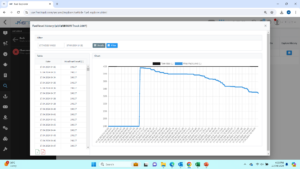
- Way #4 – Detecting fuel misuse: fuel level sensors, geofencing and pattern analysis flag theft, unauthorised use and anomalies in real time – fuel theft being a noted concern across the UAE and GCC.
- Way #5 – Setting performance benchmarks: KPIs such as litres per 100 km per vehicle type, tracked month-over-month, inform data-backed decisions on fleet renewal, route planning and training priorities.
- Real-world results: UAE implementations report average fuel savings of 10–15%, with some reaching up to 20% through combined route optimisation, idling reduction and driver coaching.
Fuel consumption remains one of the largest and most unpredictable expenses for fleet operators in the UAE. With high temperatures, heavy traffic in cities like Dubai and Abu Dhabi, long distances across emirates, and fluctuating fuel prices, keeping fuel costs under control demands more than just careful budgeting – it requires real visibility and actionable data.
Fleet telematics provides that visibility by collecting and analyzing vehicle, driver, and route data in real time. This turns hidden inefficiencies into clear opportunities to reduce fuel costs. In sectors like logistics, construction, FMCG, utilities, and field services across the UAE, telematics-driven strategies consistently deliver measurable savings, often in the range of 10-20% on fuel expenses through better routing, reduced idling, and improved driving habits.
Here are five practical ways fleet telematics helps UAE fleet operators reduce fuel consumption costs by transforming data into daily operational improvements.
Why Fuel Consumption Is One of the Hardest Fleet Costs to Control
Fuel consumption doesn’t spike from one major event; it creeps up through everyday inefficiencies: excessive idling during deliveries or site waits, suboptimal routes navigating UAE’s busy highways and urban congestion, aggressive driving in high-heat conditions, and even undetected misuse.
Without detailed insights, fleet managers often only notice fuel overruns when monthly bills arrive – by then, the costs are already locked in. Traditional fuel logs or manual tracking miss the full picture, leaving operators guessing about the true sources of waste.
Fleet telematics changes this dynamic. By integrating GPS, engine diagnostics, driver behavior sensors, and fuel level monitoring, it creates a single operational view of movement, behavior, and fuel consumption. This visibility reveals where fuel costs quietly accumulate every day, enabling proactive control rather than reactive fixes.
How Fleet Telematics Makes Fuel Consumption Visible
At its core, fleet telematics collects real-time data directly from vehicles and drivers, including:
- Fuel usage per trip and per vehicle
- Idle time and engine-on duration at stops
- Fuel performance comparisons across drivers, vehicles, and routes
This data turns abstract fuel consumption into concrete, measurable metrics. Once visible and trackable, fuel efficiency becomes manageable – allowing UAE fleet managers to pinpoint issues, test changes, and verify results quickly.
Way #1: Reducing Excessive Idling
Excessive idling is a major silent contributor to unnecessary fuel consumption, especially in the UAE where drivers may leave engines running for air conditioning during hot weather stops or traffic delays. A diesel engine can burn around 0.8 gallons per hour while idling, and across a fleet, this adds up fast – potentially wasting thousands of dirhams annually.
Fleet telematics identifies exactly where and how long idling occurs, highlighting problem vehicles, routes, or times of day. Real-time alerts notify managers of prolonged idling, while detailed reports show trends. By implementing anti-idling policies, driver reminders, or automatic shutdown features where safe, fleets can cut this waste significantly without disrupting operations. Many operators see noticeable drops in fuel consumption after targeting idling hotspots.
Way #2: Improving Route Efficiency
Inefficient routes force vehicles to travel extra kilometers, face more congestion, and make repeated stops – directly increasing fuel consumption. In the UAE’s dynamic road network, from Sheikh Zayed Road traffic to remote site access, poor planning burns fuel unnecessarily.
Fleet telematics enables route comparison using actual traveled paths, identifies high-consumption routes based on real-world data, and supports optimization considering traffic, road conditions, and delivery windows. Adjusted routes reduce total distance and time on the road, lowering fuel costs per trip. Studies show intelligent route planning can reduce fuel usage by up to 20% in optimized fleets, a key benefit for UAE operations balancing urban and inter-emirate travel.
Way #3: Encouraging Fuel-Efficient Driving Behaviour

Driving style significantly impacts fuel consumption. Aggressive acceleration, harsh braking, speeding, and inconsistent speeds – all common under pressure – can increase fuel burn by 15-30% or more, especially at highway speeds or in stop-and-go traffic.
Fleet telematics monitors behaviors like acceleration rates, braking intensity, and speeding events, linking them directly to higher fuel consumption. It highlights top performers and those needing improvement, enabling targeted coaching through scorecards, feedback sessions, or incentives. Smoother, more consistent driving leads to better fuel efficiency fleets, safer roads, and sustained savings – often with drivers appreciating the focus on safer habits in challenging UAE conditions.
Way #4: Detecting Fuel Misuse and Abnormal Consumption
Fuel misuse – whether through theft, unauthorized use, or anomalies – can quietly erode budgets. Sudden unexplained drops in fuel levels, consumption patterns outside approved routes or operating hours, or inconsistent fill-ups signal issues.
Advanced telematics fuel monitoring detects these red flags in real time via fuel sensor data, geofencing, and pattern analysis. Early alerts allow quick intervention, preventing small problems from becoming recurring losses. In the UAE and GCC region, where fuel theft has been a noted concern, this capability provides essential protection and accountability.
Way #5: Using Data to Set Fuel Performance Benchmarks
The true power of fleet telematics lies in benchmarking – comparing fuel consumption across vehicles, drivers, routes, and time periods to establish realistic targets.
Managers can set KPIs like liters per 100 km per vehicle type, track improvements month-over-month, and make data-backed decisions on fleet renewal, route planning, or training priorities. What starts as guesswork becomes a measurable KPI, driving continuous gains in fuel efficiency fleets and long-term cost stability.
Real-World Impact: Fuel Cost Reduction Across UAE Fleets
In logistics, construction, FMCG distribution, utilities maintenance, and service fleets throughout the UAE, telematics consistently delivers results: lower fuel consumption per vehicle, reduced cost per trip, and stronger operational discipline.
Reports from regional implementations show average fuel savings of 10-15%, with some achieving up to 20% through combined route optimization, idling reduction, and driver coaching. These gains compound over time, helping fleets maintain profitability amid rising operational pressures.
Bringing It All Together: Fuel Control Requires Connected Data
Reducing fuel consumption isn’t achieved through isolated tactics – it demands integrated visibility, driver accountability, and ongoing measurement. Fleet telematics provides the connected data foundation, linking vehicle telemetry, driver performance, and route intelligence into one system for sustainable fuel cost control.
Conclusion: Fuel Efficiency Is a System, Not a Policy
Reducing fuel consumption goes beyond enforcing rules – it’s about understanding real-world interactions between vehicles, routes, and drivers in UAE conditions. Fleet telematics transforms fuel efficiency into a repeatable, data-driven process, delivering measurable savings without sacrificing productivity or service quality.
Ready to take fuel control seriously?
Turn telematics data into fuel savings. Contact FMSi today to discover how our tailored telematics solutions can help your UAE fleet reduce fuel costs and boost overall efficiency. Schedule a demo and start seeing where your fuel consumption can improve.
Related Blogs

What Is Geofencing? How UAE Fleets Use Virtual Boundaries for Security, Compliance and Productivity
Geofencing is a virtual boundary drawn around a real-world location that automatically triggers an alert or action when a vehicle enters or exits it.

CAN Bus Data in Fleet Telematics: What Your Vehicles Are Telling You
Every modern commercial vehicle generates a constant stream of internal diagnostic data, whether or not anyone is reading it. Engine sensors, brake systems, and dozens of other electronic components are exchanging information every second the vehicle runs.
Vehicle Tracking System vs. Fleet Management System: What UAE Fleets Need
Search “vehicle tracking system” in the UAE and the results range from a AED 50/month dongle that pins a dot on a map to enterprise platforms quoting five figures a year.

Reckless Driving in the UAE: Fines, Black Points & How Fleets Prevent It
One conviction for reckless driving in the UAE comes with an AED 2,000 fine, 23 black points, and a 60-day vehicle impoundment. That’s not a typo, and it’s not the ceiling for speeding or a missed seatbelt – it’s a single violation, and it puts a license one point away from suspension.