September 30, 2026
Every Vehicle Is Already Talking
Every modern commercial vehicle generates a constant stream of internal diagnostic data – whether or not anyone is reading it. Engine sensors, brake systems, and dozens of other electronic components are exchanging information every second the vehicle runs. A basic GPS tracker never sees any of this. It only knows where the vehicle is and how fast it’s moving, and infers everything else from that. CAN bus is the mechanism that lets a telematics system tap directly into what the vehicle is already reporting internally, rather than guessing from position data alone. For a fleet manager, the difference between a tracker that watches from outside and one that listens from inside is the difference between an estimate and a measurement.
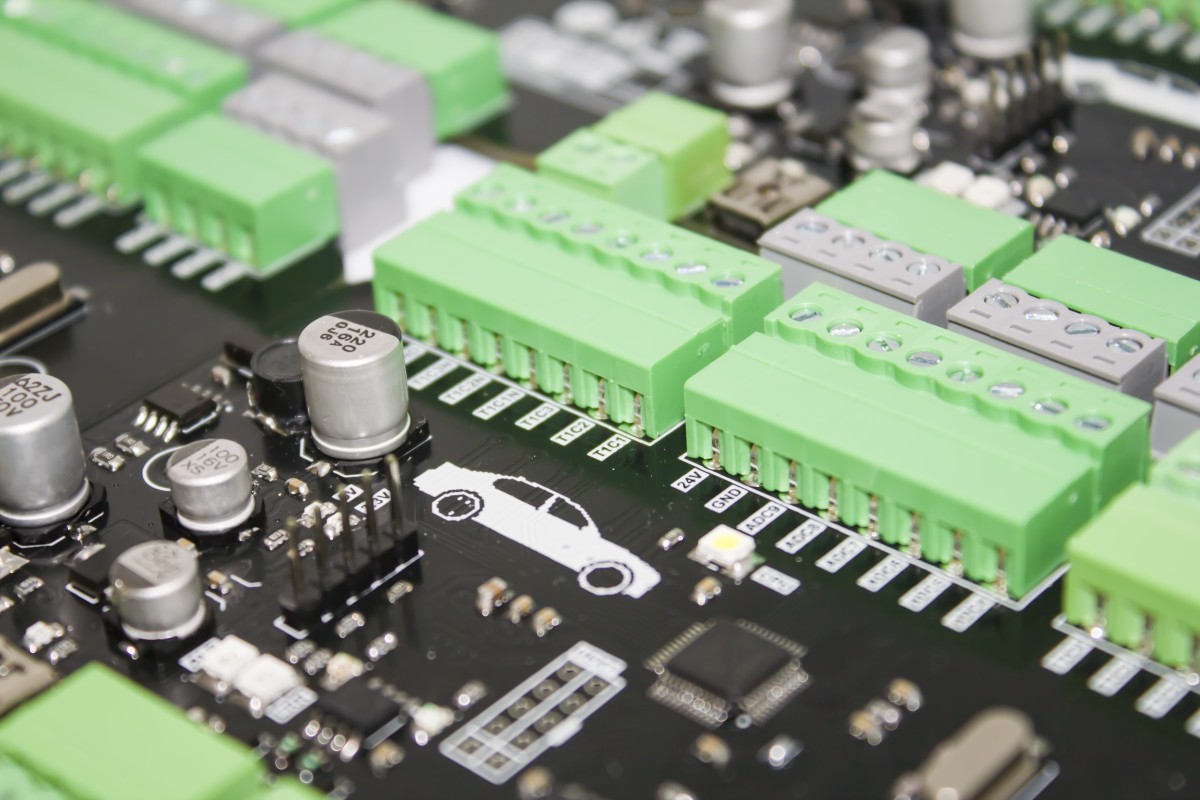
What Is CAN Bus? A Plain Explanation
CAN bus (Controller Area Network) is the internal communication system that lets a vehicle’s electronic components engine, brakes, sensors exchange data with each other and, when tapped, with an external telematics device.
That’s the core of it. The deeper electronics voltage levels, frame structure, arbitration protocols matter to the engineers who design the hardware, but they’re not what a fleet operator needs to evaluate a telematics system. What matters is simpler: CAN bus is the reason a telematics device can report what’s actually happening inside a vehicle, instead of reconstructing a rough picture from GPS coordinates.
What Data CAN Bus Actually Exposes
A CAN bus-integrated telematics device can typically access:
- Fuel level and consumption rate, read from the fuel sensor itself rather than calculated from distance and assumed mileage
- Fuel injection data, giving a more granular view of engine efficiency than consumption rate alone
- Engine RPM, useful for identifying harsh acceleration, excessive idling, or engine strain
- Brake and acceleration pedal position, showing driver input directly rather than inferring behavior from speed changes
- Odometer/mileage, taken from the vehicle’s own instrument cluster — tamper-resistant in a way a GPS-calculated distance estimate is not
- Engine oil pressure, temperature, and load, early indicators of mechanical stress or impending failure before a warning light appears
- Central lock state, relevant for security monitoring and confirming vehicle access events
- Diagnostic trouble codes (DTCs), giving early warning of mechanical faults before they become breakdowns
- Engine hours, a more accurate basis for maintenance scheduling than calendar time or odometer alone
- Harsh-event data at the source — in many vehicles, braking and acceleration events can be read directly from onboard sensors rather than inferred from changes in GPS speed and position
This is the practical value of CAN bus: it turns a telematics system from a location tracker into a diagnostic and operational data source.
CAN Bus vs. GPS-Only Tracking: Why the Difference Matters
A GPS-only tracker has no access to the vehicle’s internal systems. It infers harsh braking, harsh acceleration, or idling from changes in position and speed over time — a reasonable approximation, but an approximation nonetheless. A sudden GPS signal jump, a slow satellite fix, or a stretch of poor coverage can all distort the picture.
A CAN bus-integrated device reads the vehicle’s own sensors directly. Harsh braking is reported because the brake system reported it, not because the tracker noticed the vehicle slowed down quickly. Fuel consumption is reported because the fuel sensor reported it, not because someone calculated an expected burn rate from distance traveled.
This is the practical reason two products both marketed as “fleet trackers” can produce very different data quality, even at a similar price point. The specification sheet might look identical. The data behind it isn’t.
OBD vs. CAN Bus: Clearing Up a Common Confusion
This is a genuine point of confusion for buyers evaluating hardware, even though it isn’t a high-search-volume term on its own.
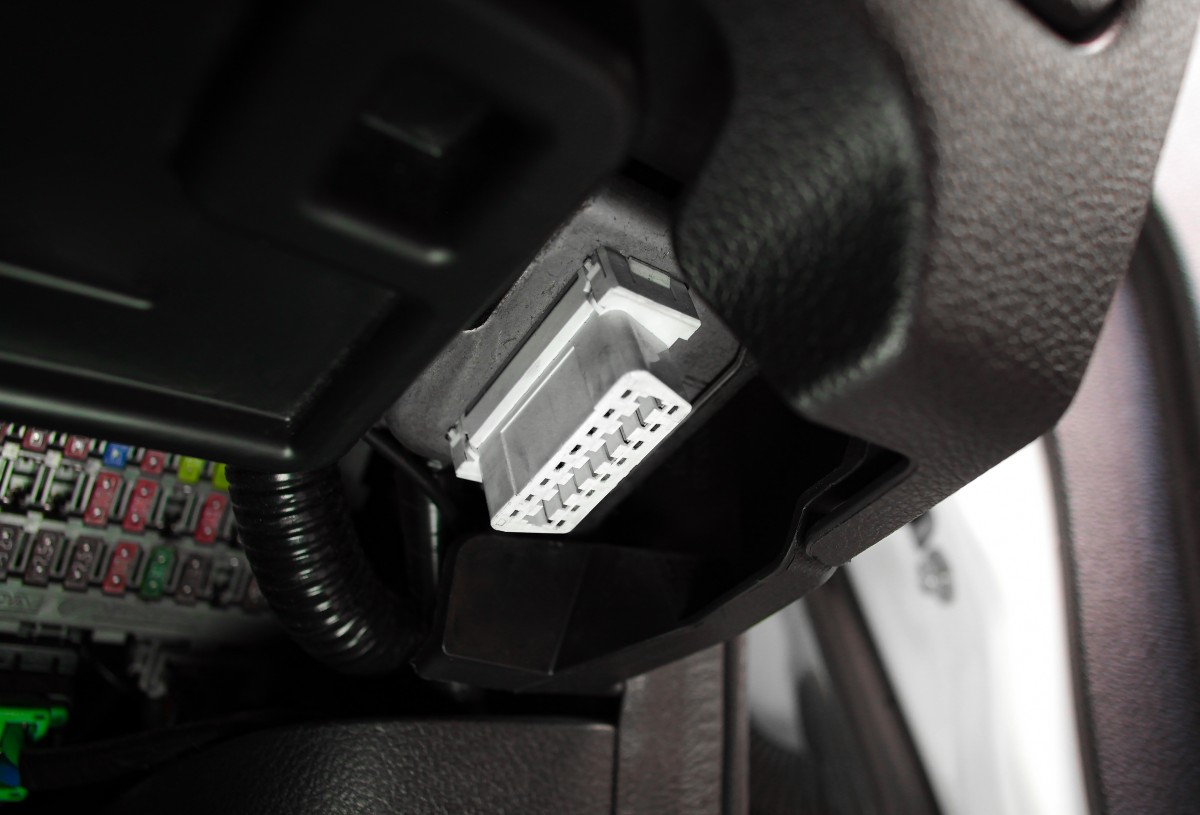
OBD (On-Board Diagnostics) is the standardized port and protocol used to access vehicle data. CAN bus is the underlying network that data travels on. They are not competing technologies — OBD-II ports commonly provide access to CAN bus data. OBD is the door; CAN bus is the room behind it.
Where hardware choice actually matters is in how a device connects to CAN bus, and there are two distinct approaches beyond the OBD port itself:
- A contactless (inductive) CAN reader, clamped onto the wiring without cutting or splicing into it. This is listen-only — it can read the data passing along the bus, but it cannot send requests to the vehicle’s systems.
- A direct twisted-pair connection, wired directly into the CAN bus. This allows the device to both read and send requests to the network.
Contrary to a common assumption, neither approach automatically voids a vehicle’s warranty — a direct connection made through proper wiring practices, without cutting into existing harnesses, doesn’t intrude on the vehicle’s systems any more than a contactless reader does. The distinction isn’t about warranty risk; it’s about capability.
The practical difference is that some parameters aren’t broadcast passively on the bus — they only become available when the device actively sends a request and the vehicle responds. A contactless reader can’t do this, since it can only listen. Only a direct connection can send requests, which matters if the data you need isn’t part of the bus’s normal broadcast traffic.
One caution here: sending requests to a vehicle’s CAN bus isn’t something to improvise. It should only be done by someone genuinely experienced with CAN bus protocols — done incorrectly, a request can behave unpredictably on a live vehicle network. If there’s uncertainty about how to do this safely, the safer choice is not to attempt it.
Why This Matters When Choosing Fleet Hardware
A device with genuine CAN bus integration provides more accurate fuel, maintenance, and diagnostic data than a cheap GPS-only tracker or a basic OBD dongle that only reads a limited data set. For a fleet operator making purchasing or leasing decisions based on fuel efficiency reports or maintenance schedules, that accuracy difference compounds over time.
Beyond the connection method, it’s worth asking a vendor what their device can actually access: a listen-only contactless reader will miss any parameter that requires an active request, while a direct connection can retrieve it — provided the integration was built by someone who knows what they’re doing. That’s a more useful question to ask a vendor than “does it plug into OBD,” since the real capability gap sits at the connection type, not the port.
How FMSi Uses CAN Bus Data
FMSi’s telematics hardware integrates with vehicle CAN bus systems to deliver the accuracy this article has been describing, applied to three areas fleet operators care about directly:
- Fuel management based on actual sensor readings rather than distance-based estimates, making it possible to identify fuel discrepancies with more confidence
- Predictive maintenance alerts generated from real diagnostic trouble codes, rather than relying solely on mileage-based service intervals
- Tamper-resistant odometer data, which matters both for maintenance planning and for asset valuation at resale
This is also where the gap between FMSi’s platform and a low-cost GPS-only reseller becomes concrete: the specification might list “vehicle diagnostics” as a feature either way, but only genuine CAN bus integration produces data that fleet managers can act on with confidence.
FAQ
What is CAN bus used for in vehicles?
CAN bus lets a vehicle’s internal electronic components — engine control unit, brake systems, sensors — communicate with each other. In a telematics context, it also allows an external device to read that internal data.
Is CAN bus the same as OBD?
No. OBD is the standardized port and protocol used to access vehicle data; CAN bus is the network that data travels on. OBD-II ports commonly provide access to CAN bus data, but the two terms describe different things.
What data can a fleet get from CAN bus?
Common data points include fuel level and consumption, engine RPM, odometer readings, diagnostic trouble codes, engine hours, and in many vehicles, sensor-reported harsh-event data.
Does every commercial vehicle have CAN bus?
Most modern commercial vehicles do, but this varies by age and model. Older vehicles or certain specialized equipment may have limited or no CAN bus access, which is worth confirming before assuming full diagnostic coverage.
The Data Quality Difference Is the Point
CAN bus integration is the practical dividing line between a telematics system that estimates and one that measures. For fleet operators comparing hardware options, it’s a specific, checkable question to ask any vendor: does this device read CAN bus data directly, or is it inferring vehicle behavior from GPS alone? Get in touch with FMSi to see how CAN bus-integrated telematics can improve the accuracy of your fleet’s fuel, maintenance, and diagnostic data.
Related Blogs

What Is Geofencing? How UAE Fleets Use Virtual Boundaries for Security, Compliance and Productivity
Geofencing is a virtual boundary drawn around a real-world location that automatically triggers an alert or action when a vehicle enters or exits it.
Vehicle Tracking System vs. Fleet Management System: What UAE Fleets Need
Search “vehicle tracking system” in the UAE and the results range from a AED 50/month dongle that pins a dot on a map to enterprise platforms quoting five figures a year.

Reckless Driving in the UAE: Fines, Black Points & How Fleets Prevent It
One conviction for reckless driving in the UAE comes with an AED 2,000 fine, 23 black points, and a 60-day vehicle impoundment. That’s not a typo, and it’s not the ceiling for speeding or a missed seatbelt – it’s a single violation, and it puts a license one point away from suspension.
Fuel Management System for UAE Fleets: Cut Fuel Costs by Up to 30%
Fuel is the least predictable line item in a UAE fleet budget. Between March and June 2026, petrol and diesel prices rose more than 60% due to disrupted regional supply.