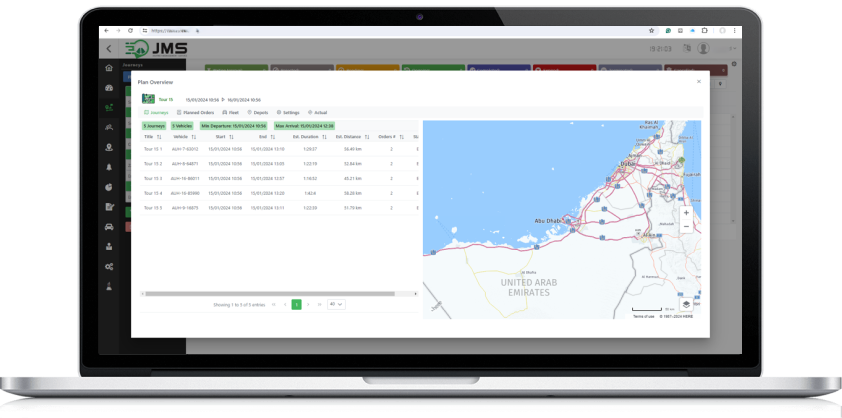


Harness Real-Time Route Planning & Optimization

Our service streamlines fleet operations by assigning predefined trip tasks to vehicles, ensuring efficient and optimized route planning. Operators create tasks and assign them to designated vehicles, with the system monitoring vehicle progress within the specified timeframe. The system validates task completion and records relevant data for future route planning and optimization.

fleet route planning

Route Planning

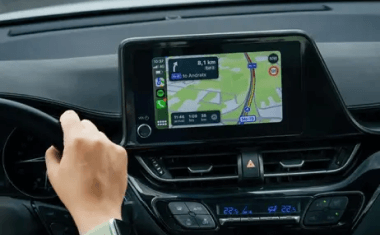
Define tasks with start and end points to access optimal routes based on various criteria such as traffic conditions, toll roads, and distance. Our route planning feature ensures vehicles take the most efficient path to their destinations.

Route Optimization

For fleets with multiple destinations, our optimization process suggests the best path for each vehicle, considering a subset of destinations. This enables distributors to obtain a list of drop points for each vehicle, along with the suggested optimal path, streamlining delivery operations and enhancing overall efficiency.

fleet route optimization

Key Features

Key Features

Multi-Stop Route Planning

Efficiently plan routes with multiple stops to optimize delivery schedules and minimize travel time.

Key Features

Real-Time Traffic Updates

Receive real-time traffic updates and adjust routes accordingly to avoid congestion and delays.

Key Features

Customizable Routing Preferences

Set customizable routing preferences based on factors such as vehicle size, weight restrictions, and road types to optimize routes for specific needs.

Key Features

Dynamic Re-Routing

Automatically re-route vehicles in response to changing traffic conditions or unexpected events to ensure timely deliveries.

Key Features

GPS Tracking Integration

Integrate GPS tracking technology to monitor vehicle locations in real-time and provide accurate ETAs to customers.

Key Features

Driver Communication

Facilitate communication between drivers and dispatchers to provide updates on route progress and receive instructions for any changes.

Key Features

Historical Data Analysis

Analyse historical route data to identify patterns and trends, enabling continuous optimization of future routes.

Key Features

Mobile Accessibility

Access route planning and optimization tools via mobile devices, allowing drivers to view and navigate routes from anywhere.

Key Features

Integration with Fleet Management Systems

Seamlessly integrate with existing fleet management system to streamline operations and enhance overall efficiency.

Key Features

Reporting and Analytics

Generate reports and analytics to track key performance metrics, evaluate route efficiency, and identify areas for improvement.

  • Multi-Stop Route Planning
  • Real-Time Traffic Updates
  • Customizable Routing Preferences
  • Dynamic Re-Routing
  • GPS Tracking Integration
  • Driver Communication
  • Historical Data Analysis
  • Mobile Accessibility
  • Integration with Fleet Management Systems
  • Reporting and Analytics

Key Benefits

Time Efficiency

Time efficiency

Time Efficiency

Route planning and optimization save time by identifying the most efficient paths for vehicles to follow, reducing travel time between locations.

Cost Savings

Vehicle tracking platform

Cost Savings

By minimizing travel distances and fuel consumption, route optimization helps reduce overall transportation costs for the fleet.

Improved Customer Service

GPS fleet tracking

Improved Customer Service

Efficient routes ensure timely deliveries and services, leading to improved customer satisfaction and retention.

Enhanced Driver Safety

Smart fleet tracking

Enhanced Driver Safety

Optimal routes can avoid hazardous roads or congested areas, promoting safer driving conditions for fleet drivers.

Resource Utilization

Driver behavior insights

Resource Utilization

Efficient routing maximizes the use of fleet resources, such as vehicles and drivers, leading to better productivity and utilization rates.

Environmental Impact

Route optimization

Environmental Impact

By reducing fuel consumption and emissions through shorter routes, route optimization contributes to environmental sustainability.

Real-time Adaptability

Fleet management dashboard

Real-time Adaptability

Advanced route optimization systems can dynamically adjust routes based on real-time traffic and weather conditions, ensuring continuous efficiency even in changing circumstances.

Data-driven Insights

Live vehicle tracking

Data-driven Insights

Route planning and optimization generate valuable data on travel patterns, which can be analysed to identify opportunities for further improvement and optimization in the future.

Frequently Asked Questions

The manual dispatch process – where someone works out which vehicle goes where, in what order, via which roads – is exactly what FMSi’s route planning and optimization solution replaces. Operators create tasks with defined start and end points, assign them to designated vehicles, and the system determines the optimal path based on traffic conditions, toll roads, distance, and vehicle-specific constraints. For fleets with multiple delivery or service destinations, the optimization engine goes further – it calculates the best sequence of drop points across a vehicle’s full run, not just the shortest path between two locations. What previously took a dispatcher hours of manual work is handled automatically, consistently, and without the human error that comes from doing it under time pressure.

Route adherence is monitored continuously through GPS tracking integration. The system tracks each vehicle’s actual position against its assigned route in real time, and any deviation – whether a shortcut, an unauthorized stop, or a route change – is visible to the dispatcher immediately through the platform. Driver communication tools allow dispatchers to send updated instructions directly to the driver when a deviation occurs, without relying on personal mobile calls. This combination of real-time monitoring and direct communication means unauthorized route changes are addressed as they happen, not discovered after the fact in a debrief.

Yes. FMSi’s route planning and optimization tools are mobile-accessible, allowing drivers to view their assigned routes, receive real-time updates, and navigate from their mobile device without needing to return to a depot or interact with a dispatcher for every change. The mobile interface also supports two-way driver communication, enabling drivers to flag issues and receive updated instructions directly. This is particularly relevant for last-mile delivery operations where drivers are making multiple stops throughout the day and need a reliable, real-time source of route and task information in hand.

Route planning and optimization within FMSiTrack is not a standalone module – it is integrated with GPS tracking for live vehicle positioning, driver communication tools, task management for validating job completion, and reporting and analytics for measuring route performance over time. This means route data doesn’t sit in isolation – it connects to the broader operational picture, including vehicle utilization, driver performance, and delivery KPIs. Fleet managers can track route efficiency alongside fuel consumption, driver behaviour, and asset utilization from a single platform view rather than reconciling data from separate systems.