Smart, Accurate, and Responsive AI Video Telematics Revolutionizing Road Safety.
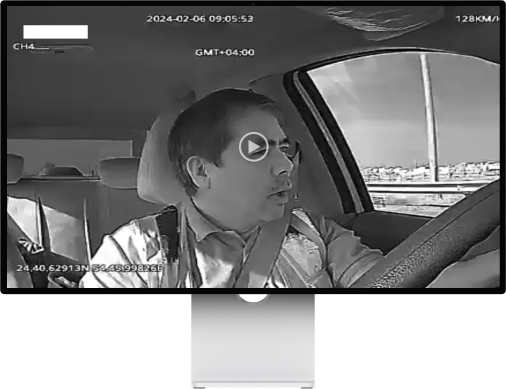
AI in video telematics is transforming fleet management with real-time incident detection and proactive coaching, ensuring driver safety and cost reduction. Our AI-powered dash cams provide critical data on driver behaviour and issue in-cab alerts for potential hazards. Complemented by our Video IVMS (V-IVMS) module, this solution offers invaluable insights and instant alerts for risky driving, enhancing fleet safety and efficiency.
 Empower your control room with a professional video telematics tool.
 Customize alerts and prioritize critical incidents for efficient management.
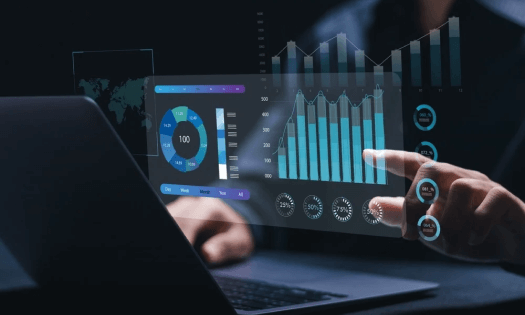
 Generate reports and dashboards based on AI-driven data analysis.
 Optimize cellular traffic expenses with efficient data usage.
 Access live view, download, and playback videos directly from your device.
Fleet Management With AI Video Telematics
AI in video telematics is a groundbreaking development that is revolutionizing the way fleet management operates.
+ %
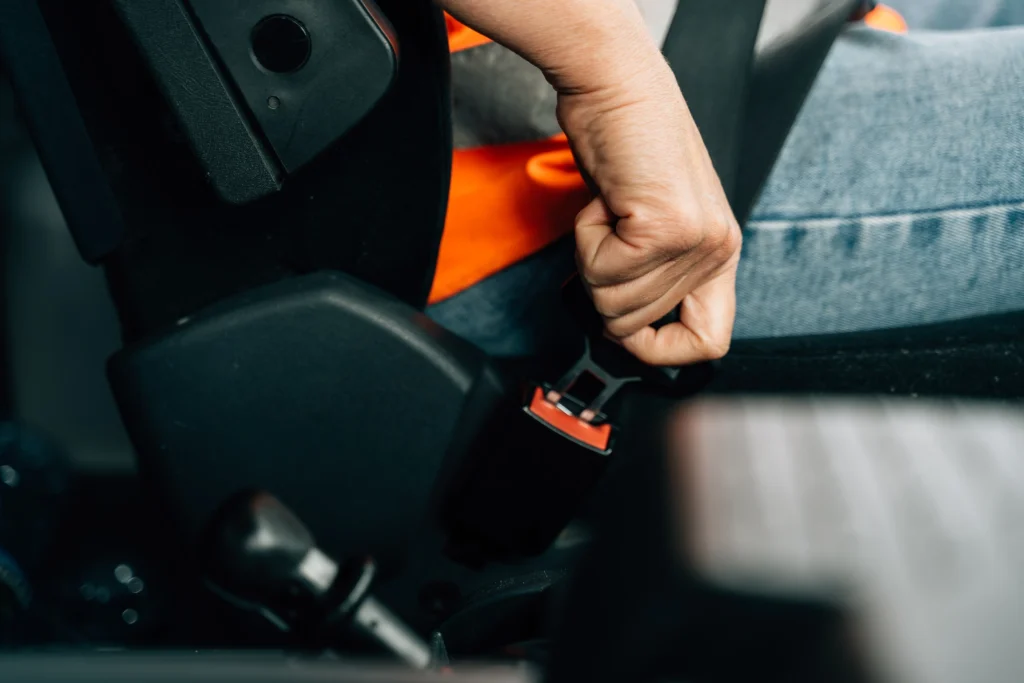
Seatbelt Usage
- %
Vehicle Collision
- %
Driver Speeding
- %
Driver Distraction
Unlock Comprehensive 360° Visibility
Select the Optimal AI Video Solution for Your Fleet
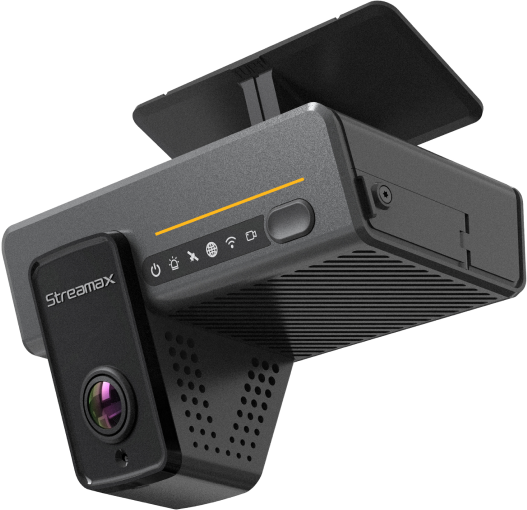
Experience a comprehensive overview of your fleet’s operations by seamlessly integrating side, rear, passenger, and cargo monitoring with your AI Dashcam. Our flexible DVR (Digital Video Recorder) systems can scale from 1 to 8 cameras.
Our Solutions
Detected Events

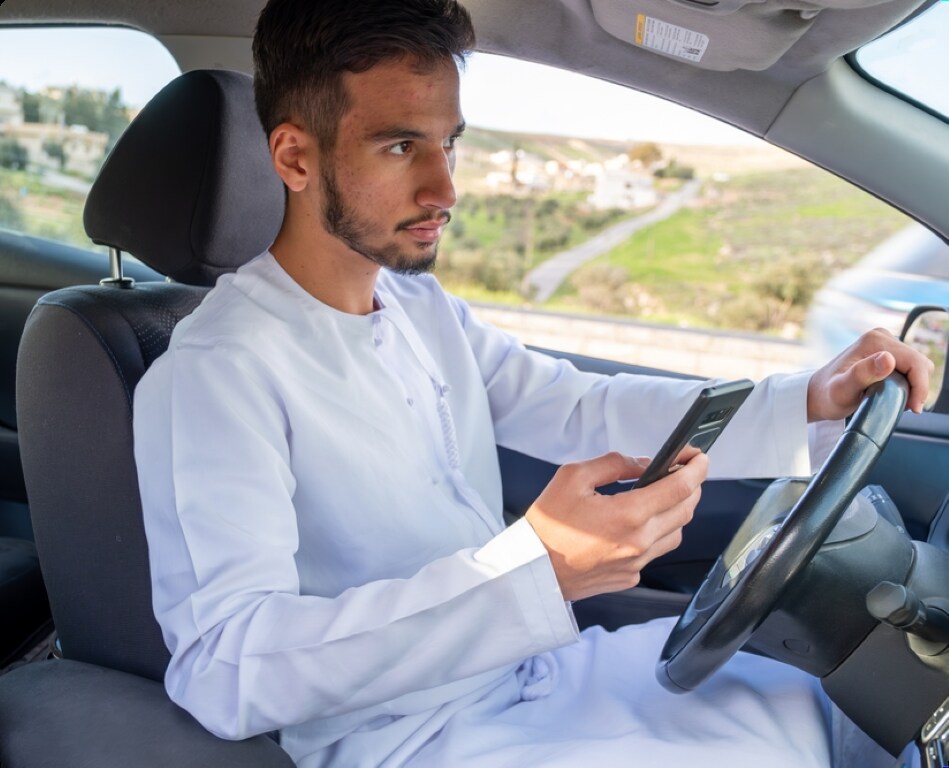

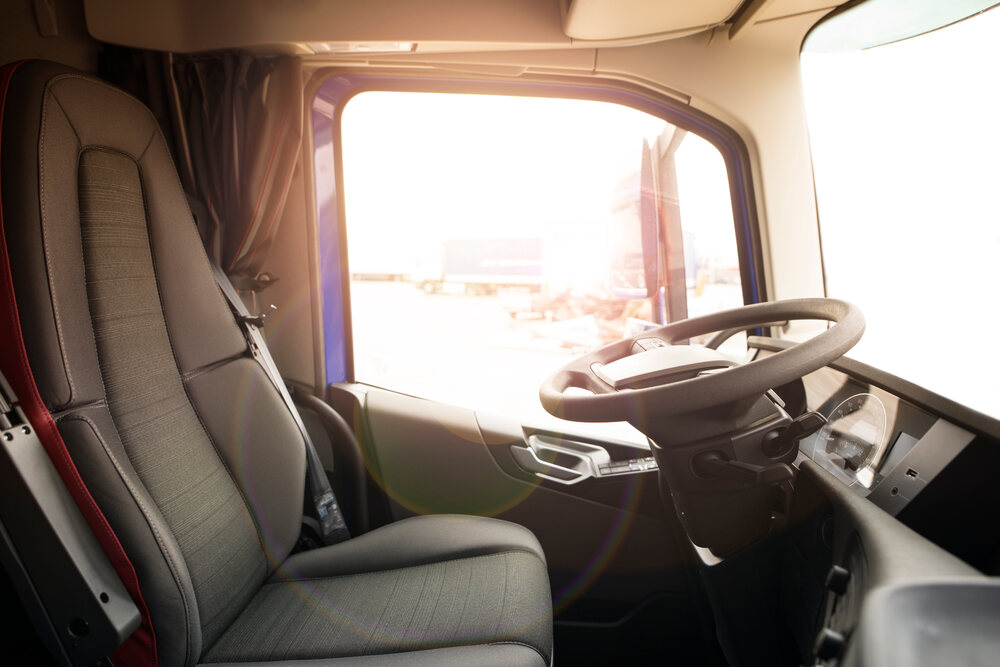


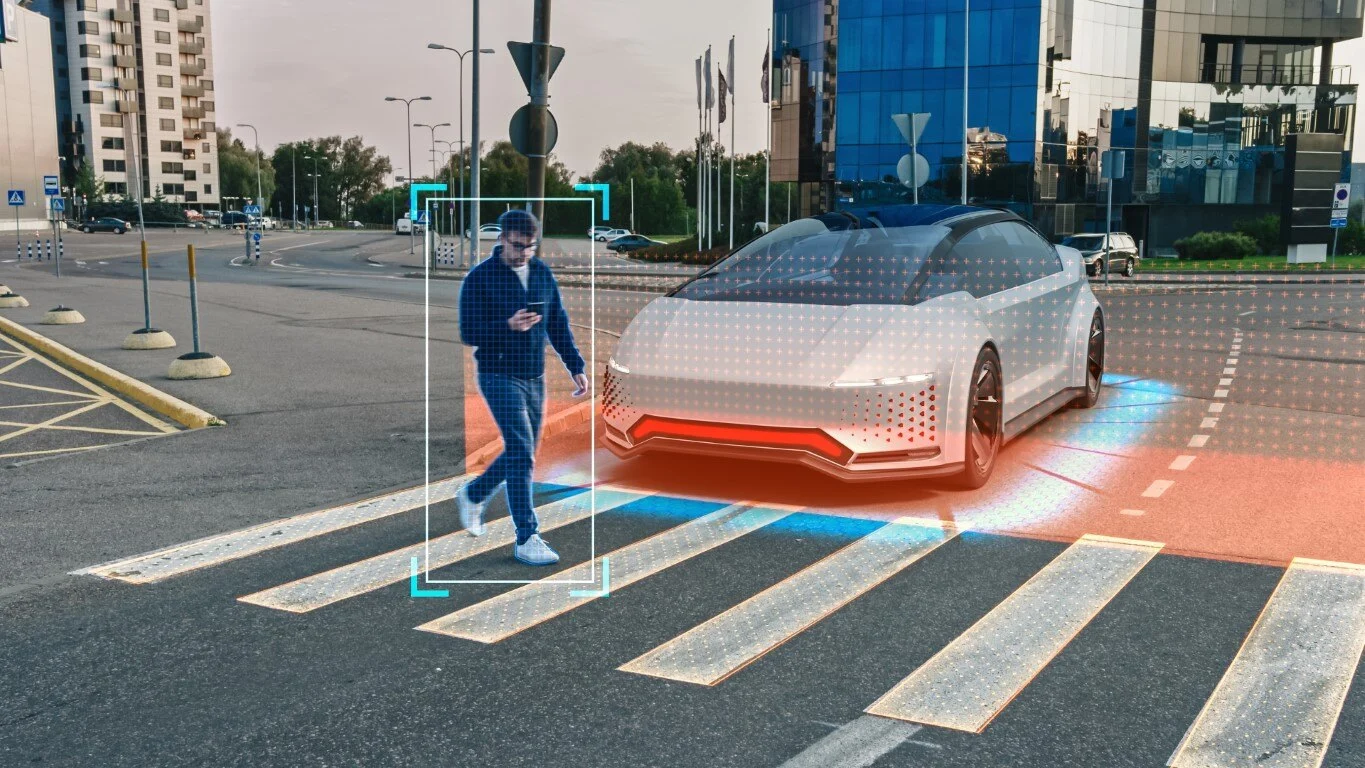
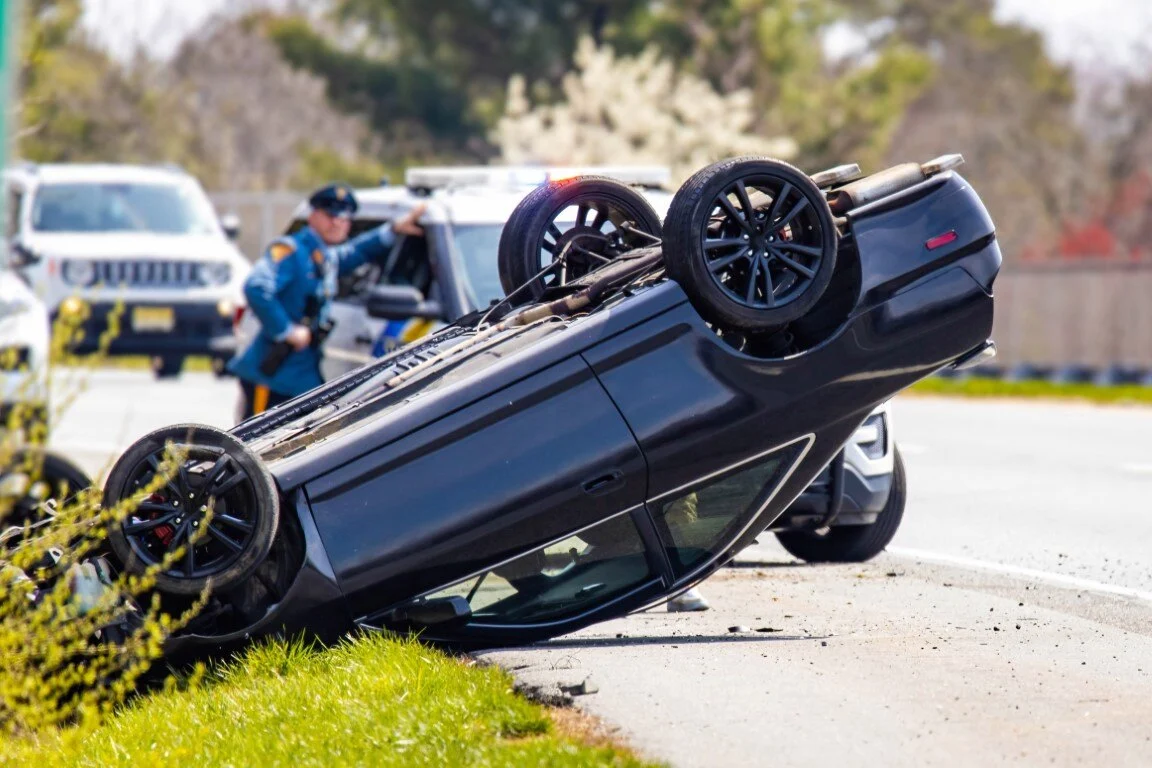
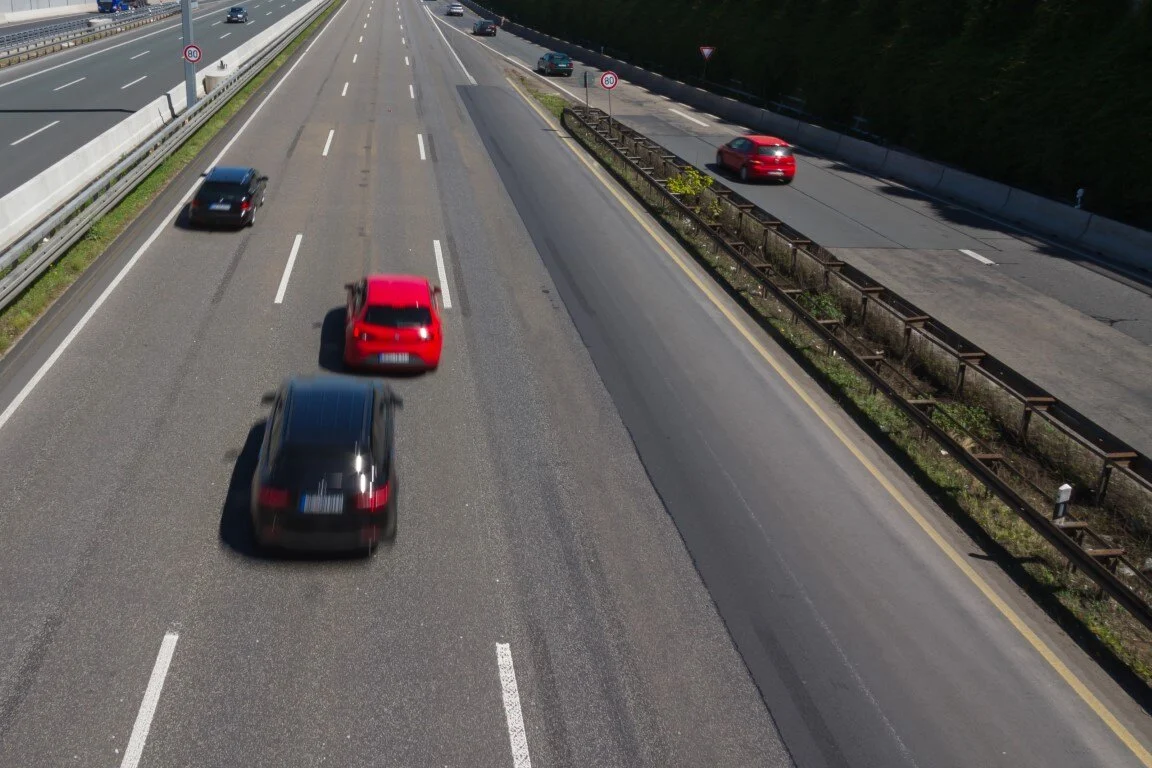
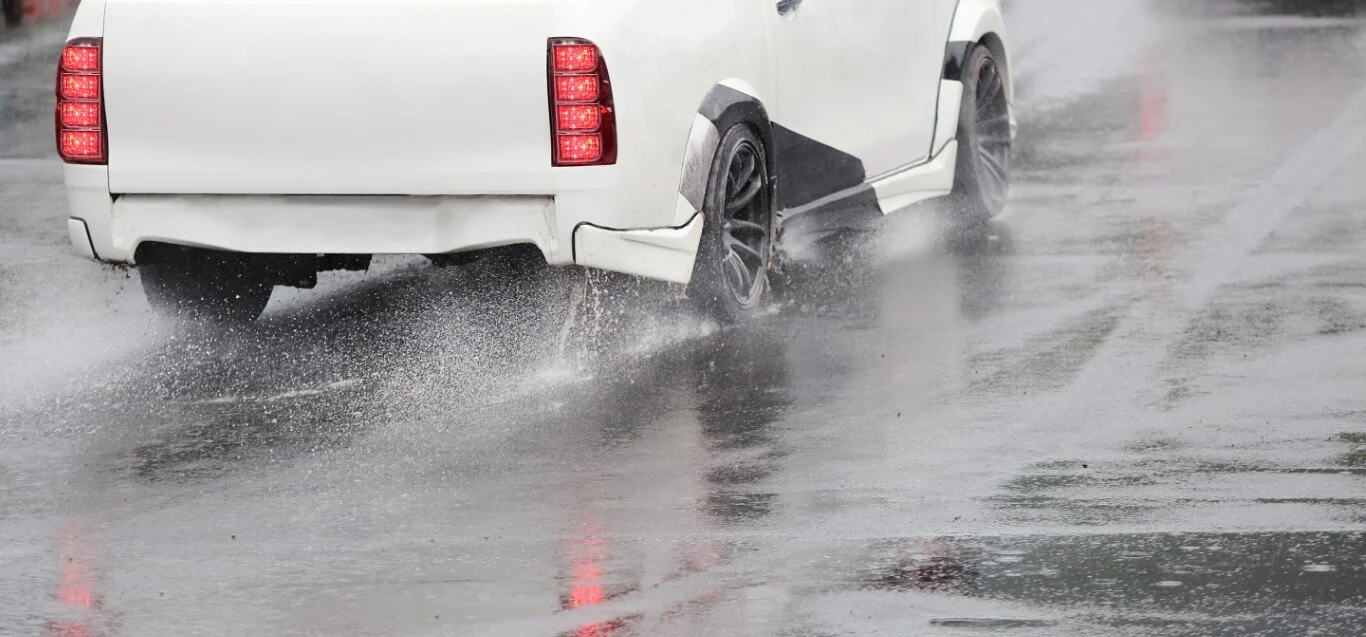

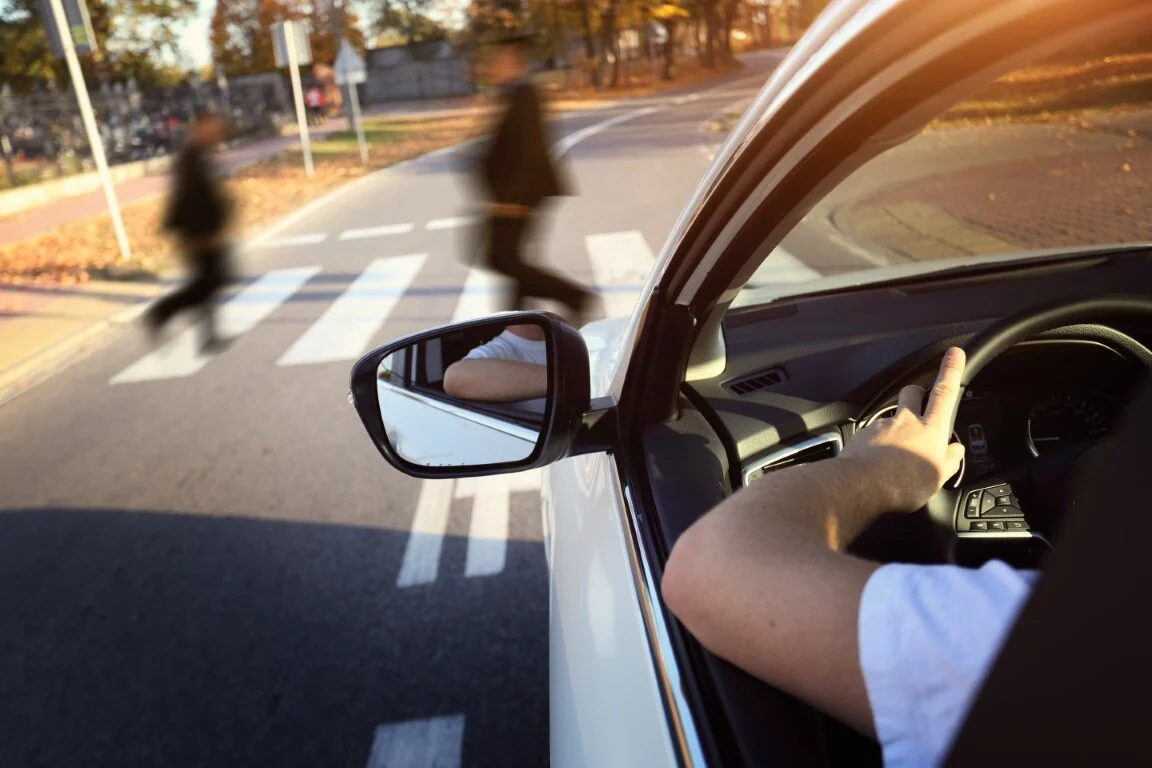
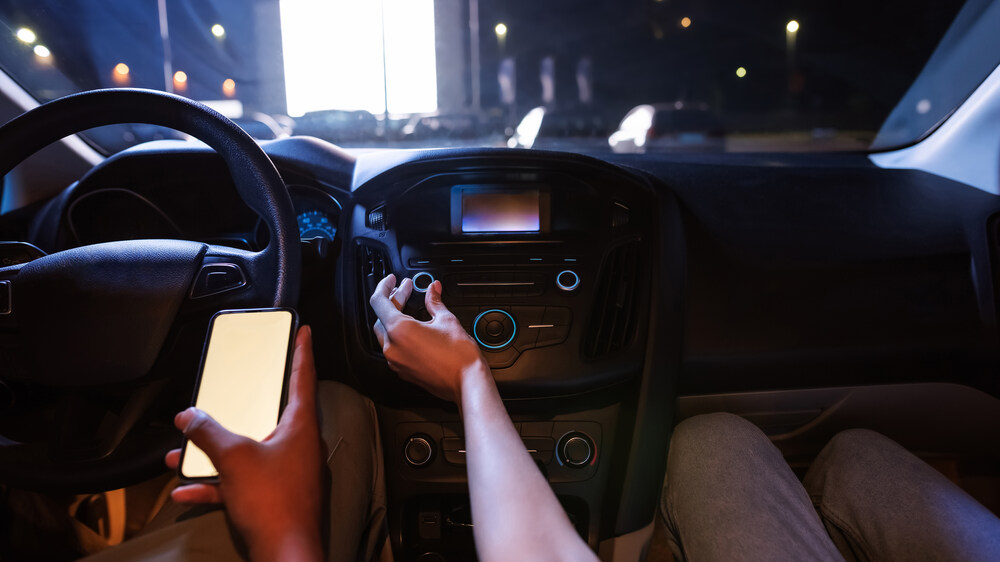

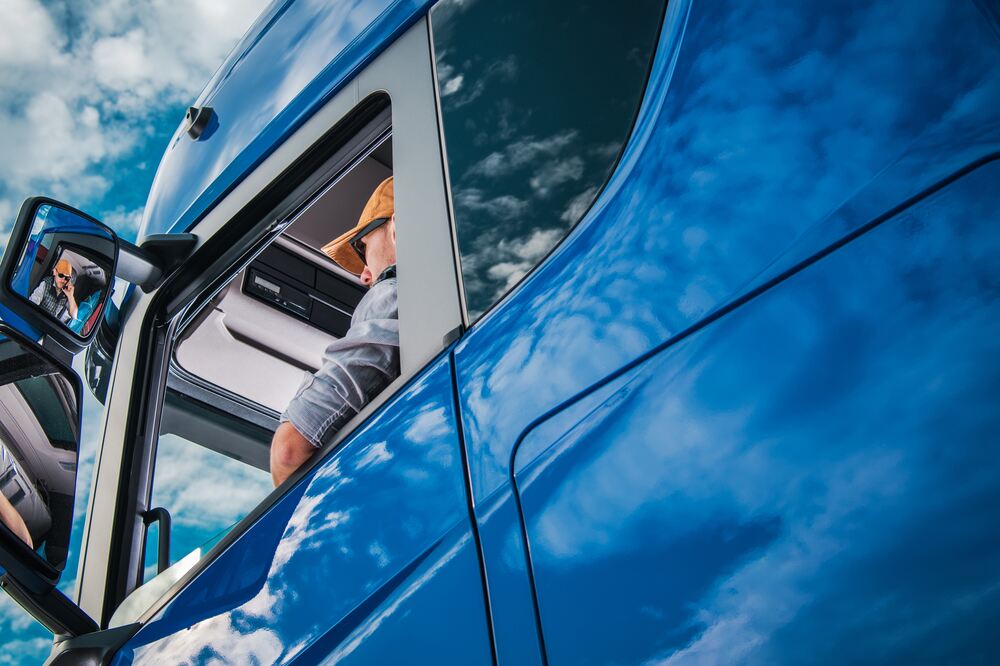
Safety Transparency at your Fingertips
FMSiTrack is your comprehensive platform for all fleet telematics needs. By seamlessly integrating every aspect of fleet management into a single, user-friendly interface, it transforms your daily operations into an effective, efficient, and convenient experience.
Enterprise-Grade Control
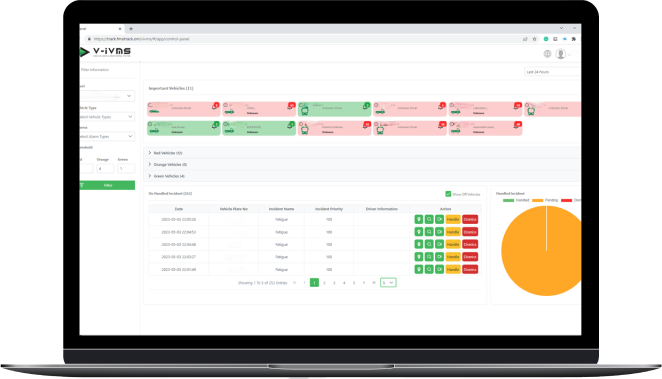
Empower your control room operator with a digitized workspace to keep a focus on the vital incidents happened with the fleet
Stay Focused on What Matters Most
Prioritize incidents according to your company policies and create customized incidents classification tailored to your desired outcomes.
Take Control of Your Costs
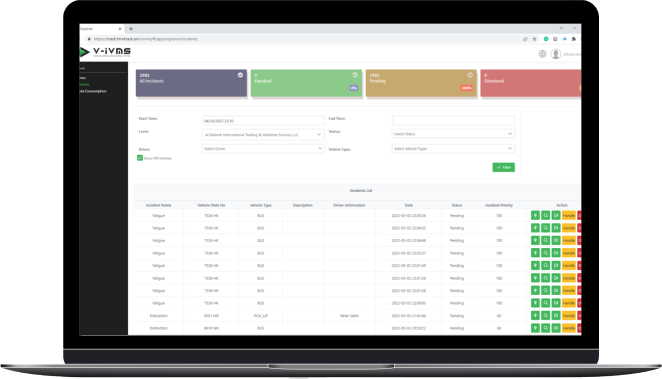
Efficiently manage your data bundles with our flexible Quota Consumption tool. Customize your limits for various traffic types, including video downloads, playback, live streaming, and automated incident uploads.
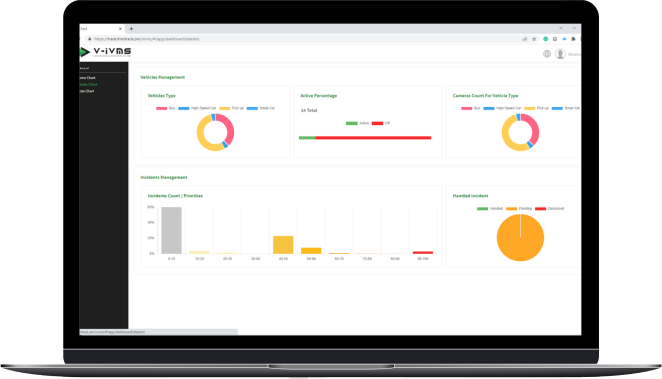
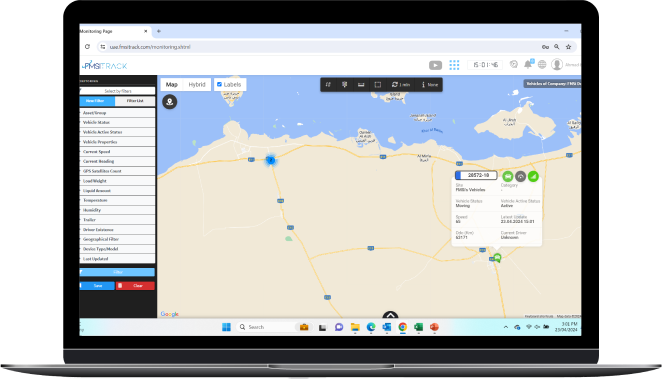
AI Video Telematics Seamlessly Integrated with your GPS Tracking
Integrate data from various sources, devices, sensors, and cameras into one user-friendly interface. Generate reports, trigger notifications, and create dashboards that combine all your vital data in one place.
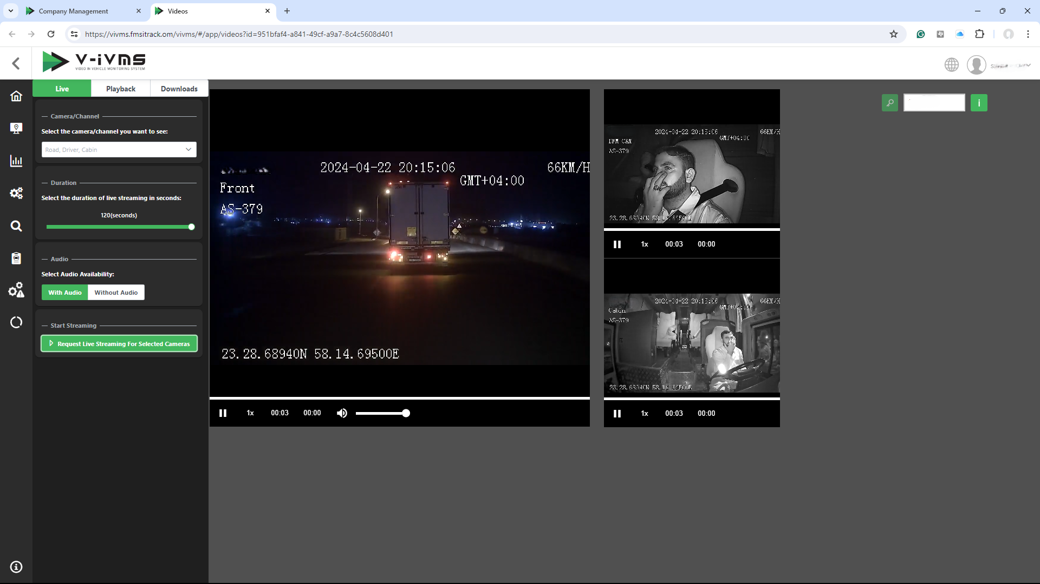
Easy Access To Your Videos
Quick access to crucial footage and data. This feature supports targeted safety training and driver exoneration in wrongful claims.
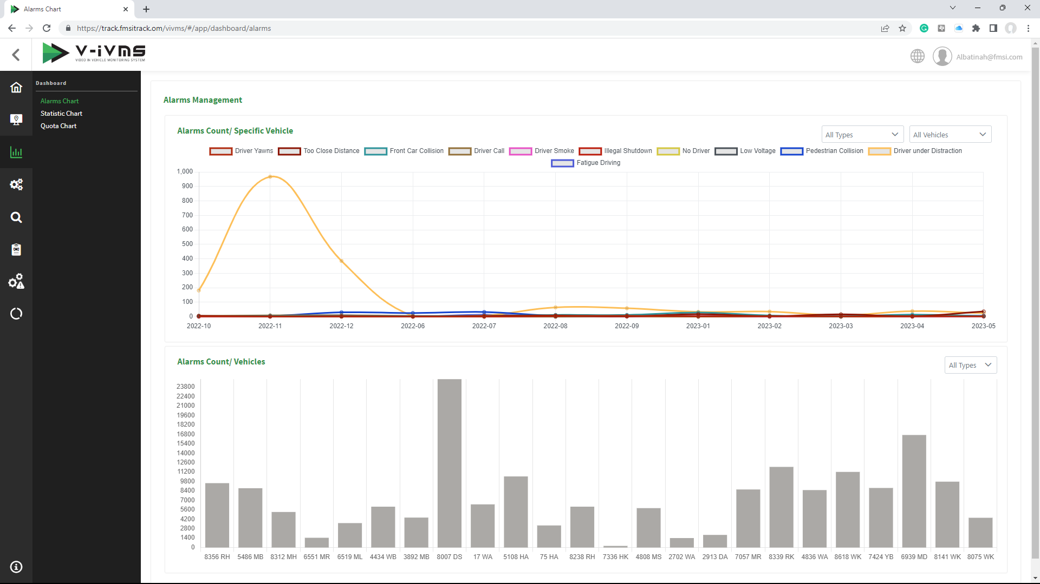
Maximizing Fleet Performance With V-IVMS
Our V-IVMS SaaS platform offers intuitive dashboards and customization options to track key performance indicators (KPIs) over time.
How it Works
Our AI Dashcam revolutionizes fleet safety by leveraging state-of-the-art AI processors and advanced computer vision algorithms. Our groundbreaking technologies are designed to enhance your fleet safety and effectively mitigate risks on the road.
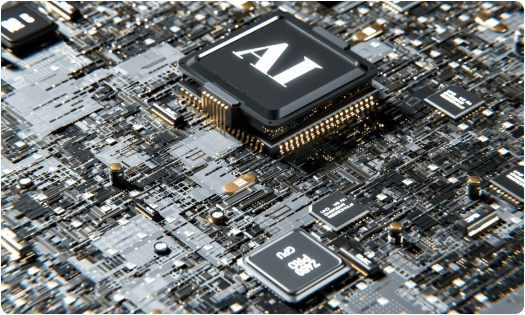
Cutting-Edge AI Processors
Our AI Dashcam utilizes advanced AI processors to analyze and interpret data in real time.
Sophisticated Computer Vision Algorithms
By employing sophisticated computer vision algorithms, our system can detect and interpret various visual inputs from the surroundings.

Real-time Monitoring
The AI Dashcam continuously monitors the road and surrounding environment to identify potential risks or hazards. AI instantly detects high-risk behavior with industry-leading accuracy and sends in-cab alerts to modify behavior in real time.

Risk Mitigation
Upon detecting risks or hazardous situations, the system provides alerts and notifications to drivers or fleet managers in real time, enabling proactive risk and advanced event intelligence analysis of every video within seconds.

In-house Developed Platform
Our platform, developed in-house, provides a robust infrastructure for data processing, storage, and analysis.
Cutting-edge Video Telematics Hardware
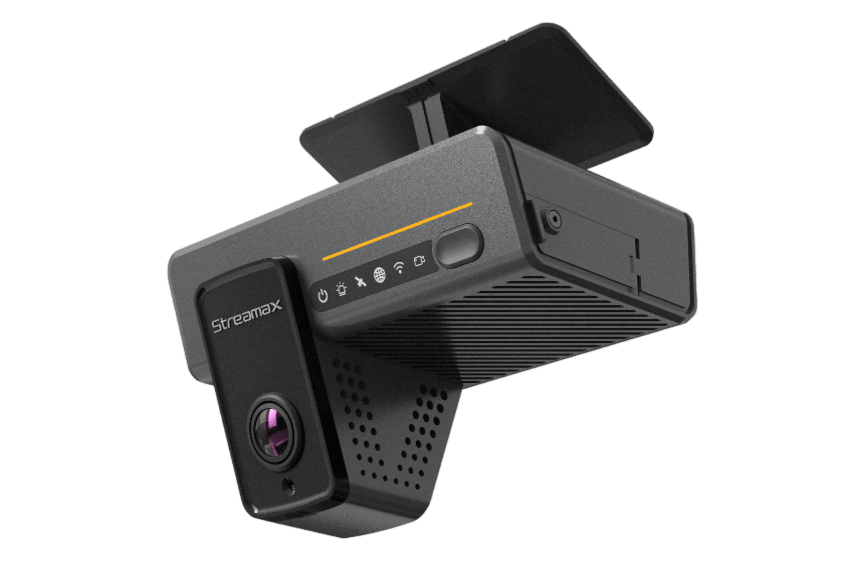
Coupled with cutting-edge video telematics hardware, our AI Dashcam ensures reliable, high-quality video capture and transmission to protect your drivers from false claims and shield you against litigation.
Proactive Safety Tools
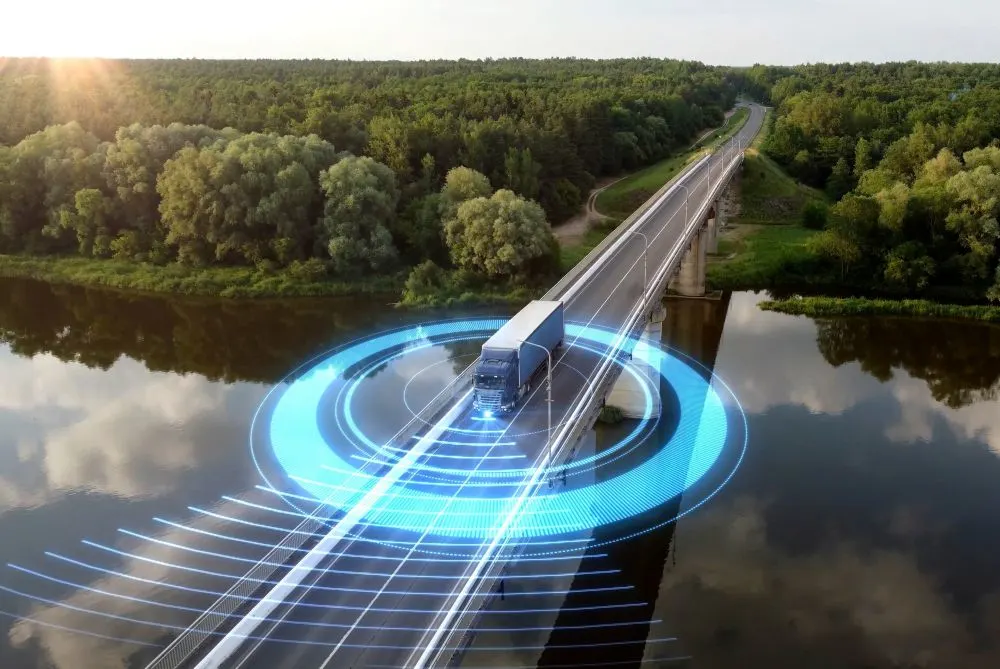
Our system, equipped with proactive tools such as in-cab coaching alerts and real-time risk assessments, allows fleets to take immediate action to enhance road safety.

Key Benefits
Frequently Asked Questions
This is one of the most immediate and commercially significant use cases for dashcam footage. FMSi’s AI video telematics system continuously records road-facing and driver-facing footage, with every incident automatically tagged, timestamped, and stored. When an accident occurs, fleet managers can retrieve the exact clip within seconds – showing precisely what the driver was doing, what the road conditions were, and what happened in the moments leading up to impact. This eliminates conflicting accounts entirely and has been used by fleet operators to successfully defend against fraudulent third-party claims and protect their organizations from costly litigation.
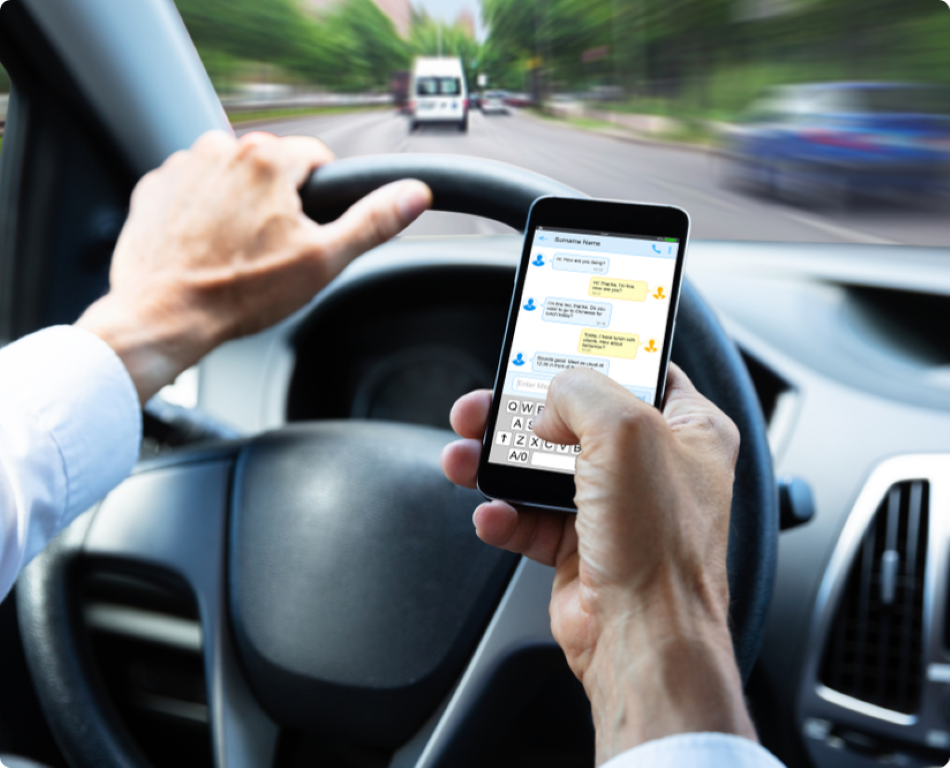
This is the fundamental limitation of dashcams that simply record – drivers adapt their behaviour around the camera, not because of it. FMSi’s AI video telematics works differently. The system detects risk in real time and delivers an immediate in-cab alert – an audible or visual notification, or seat vibration – the moment a risky behaviour is detected, whether that’s yawning, distraction, mobile phone use, or unsafe following distance. The correction happens in the moment, not in a debrief days later. Over time, consistent in-cab coaching shapes behaviour at the habit level, not just when the driver thinks someone is watching the footage.
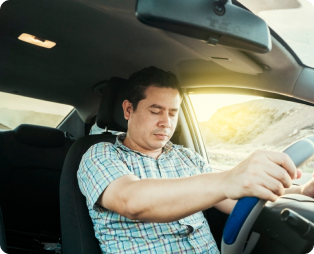
FMSi’s Driver Fatigue Camera detects fatigue-related behaviours – yawning, eyes closing, head nodding, and microsleep indicators – with over 98% accuracy, using the same advanced computer vision algorithms applied to other risk detection. Critically, the system intervenes before a fatigue-related incident occurs, not after. When early fatigue signals are detected, the driver receives an immediate in-cab alert prompting them to take a break. The event is simultaneously flagged to the operations team, giving supervisors the visibility to intervene on long-haul routes where a fatigued driver may push through rather than self-report.
No – and this flexibility is a core part of how FMSi approaches AI video telematics deployments. The system supports configurations from a single dashcam through to a full 360° setup with up to 8 cameras via the MDVR (Mobile Digital Video Recorder), covering road-facing, driver-facing, cabin, passenger, side, rear, and cargo views. Each vehicle can be configured according to its specific operational risk profile. A passenger transport vehicle may require full cabin coverage for duty of care compliance, while a pickup serving ANDOC may only need a driver-facing road camera. All camera feeds integrate into the same FMSiTrack platform, so the operations team manages every configuration from one place.
Data cost is a legitimate concern that is frequently underestimated when deploying video telematics at scale. FMSi’s platform includes a dedicated Quota Consumption tool that gives fleet managers granular control over how data is used across the fleet. Limits can be set per vehicle for video downloads, live streaming, playback, and automated incident uploads – separately. Critically, the system only uploads footage automatically for flagged incidents rather than transmitting continuous streams, which dramatically reduces data consumption without sacrificing visibility of the events that matter. This means large fleet deployments remain commercially viable without unexpected data overruns.
FMSi’s V-IVMS platform is specifically designed for this purpose. Rather than leaving managers to manually review hours of footage, the system surfaces the highest-priority incidents automatically – ranked and categorised by risk type and severity. Footage can be pulled directly into coaching sessions, giving drivers visual evidence of their own behaviour rather than a subjective verbal account. Driver scorecards track improvement over time against specific KPIs, so coaching conversations are structured around measurable progress. The system also enables customizable safety policies – meaning the behaviours flagged and the alert thresholds applied can be calibrated to your specific operational standards, not a generic default.
No. FMSi’s AI video telematics is fully integrated within the FMSiTrack platform alongside GPS tracking, IVMS data, driver identification, journey management, and all other fleet data. Camera footage, AI-detected events, vehicle location, and driver behaviour scores are all visible within the same interface – not separate logins or disconnected dashboards. This means when an incident alert is triggered, the operations team sees the footage, the GPS position, the driver identity, and the journey context simultaneously. That unified view is what transforms AI video from a recording tool into an operational decision-making tool.
Blog Articles
Explore the latest updates from FMSi when you view our blog articles.

Get in Touch