October 30, 2025
Fatigue contributes to 13% of commercial motor vehicle crashes, causing thousands of injuries and fatalities each year. AI-powered fatigue monitoring uses cameras and sensors to detect drowsiness in real time, alerting drivers and supervisors before a lapse turns catastrophic.
- Fatigue is a physiological state, not just tiredness – 17 hours without sleep equates to a 0.05% blood alcohol concentration, slowing reaction time, reducing hazard awareness and impairing judgment. The WHO reports road traffic injuries claim 1.19 million lives annually.
- Traditional tools fall short: tachographs track hours of service but cannot detect drowsiness creeping in during a final shift stretch, and manual logs rely on self-reporting that drivers underreport to avoid repercussions.
- Detection method: forward-facing and inward-facing cameras with AI algorithms scan for micro-sleeps (brief involuntary eye closures), excessive yawning, prolonged blinks, drooping eyelids and head tilts via facial landmark tracking, plus distraction cues like gaze aversion – achieving over 95% classification accuracy and adapting to glasses or facial hair.
- Infrared fatigue cameras penetrate low-light conditions common in night driving or shaded UAE routes, tracking pupil dilation and blink rates without headlight glare.
- Tiered escalation: subtle audible beeps or voice prompts first, escalating to seat vibration and flashing screen lights, then notifying supervisors via WhatsApp, email, app push or control room dashboard – crucial during solo long-haul trips.
- Measured impact: fatigue detected 10–15 minutes before a driver self-recognises it, collision risk cut up to 40% in long-haul fleets, 25–30% fewer fatigue-related incidents post-implementation, 20% improvement in safety scores, and 15–25% insurance premium reductions.
- UAE regulatory context: mobile phone use while driving carries a Dh800 fine, black points and potential vehicle impoundment.
Driver Fatigue Monitoring
Driver fatigue is a silent killer lurking behind the wheel. According to the research, fatigue contributes to 13% of commercial motor vehicle crashes, resulting in thousands of injuries and fatalities each year. This alarming statistic underscores the urgent need for advanced interventions in industries where long hours and demanding routes are the norm.
Enter driver fatigue monitoring – a groundbreaking safety technology that’s revolutionizing fleet management in sectors like logistics, oil & gas, and passenger transport. These AI-powered systems use sophisticated cameras and sensors to detect signs of drowsiness in real time, alerting drivers and supervisors before a momentary lapse turns catastrophic. By integrating seamlessly with existing telematics, driver fatigue monitoring not only mitigates risks but also fosters a culture of proactive safety.
In this blog, we’ll dive deep into how these systems operate, explore their tangible benefits for accident prevention and compliance, highlight key features like fatigue cameras, and peek into the future of AI-driven innovations. Whether you’re navigating the bustling highways of the UAE or managing cross-country hauls, understanding driver fatigue monitoring is essential for safeguarding lives and assets. For a closer look at complementary tech, check out our AI Video Telematics solutions.
The Hidden Dangers of Driver Fatigue
Driver fatigue isn’t just feeling tired – it’s a physiological state that impairs cognitive and motor functions, turning routine drives into potential disasters. When fatigued, a driver’s reaction time slows dramatically, often exceeding that of someone with a blood alcohol level. Awareness plummets, making it harder to spot hazards like sudden lane changes or pedestrians, while judgment falters, leading to risky decisions such as speeding through intersections or tailgating. Studies show that just 17 hours without sleep equates to a 0.05% blood alcohol concentration, blurring the line between exhaustion and intoxication.
Traditional tools like tachographs or manual fatigue logs fall short in combating this invisible threat. Tachographs track hours of service but can’t discern subtle signs of drowsiness creeping in during the final stretch of a shift. Manual logs rely on self-reporting, which is notoriously unreliable – drivers often underreport fatigue to avoid repercussions. This gap leaves fleets vulnerable, especially when fatigue masquerades as “alertness” after a coffee break.
Compounding the issue, the deadly synergy of driver fatigue and distraction amplifies risks exponentially. In night shifts, where circadian rhythms clash with artificial lighting, or long-distance fleets crossing time zones, a distracted glance at a phone can trigger a chain reaction. For hazardous transport involving chemicals or heavy loads, this combo is catastrophic, escalating minor errors into multi-vehicle pileups.
The World Health Organization’s Road Safety Facts highlight that road traffic injuries claim 1.19 million lives annually worldwide, with fatigue and distraction among the top modifiable risk factors in commercial settings. In the UAE’s unforgiving desert roads, where heat and isolation exacerbate exhaustion, proactive driver fatigue monitoring becomes not just advisable, but imperative to avert these hidden dangers.
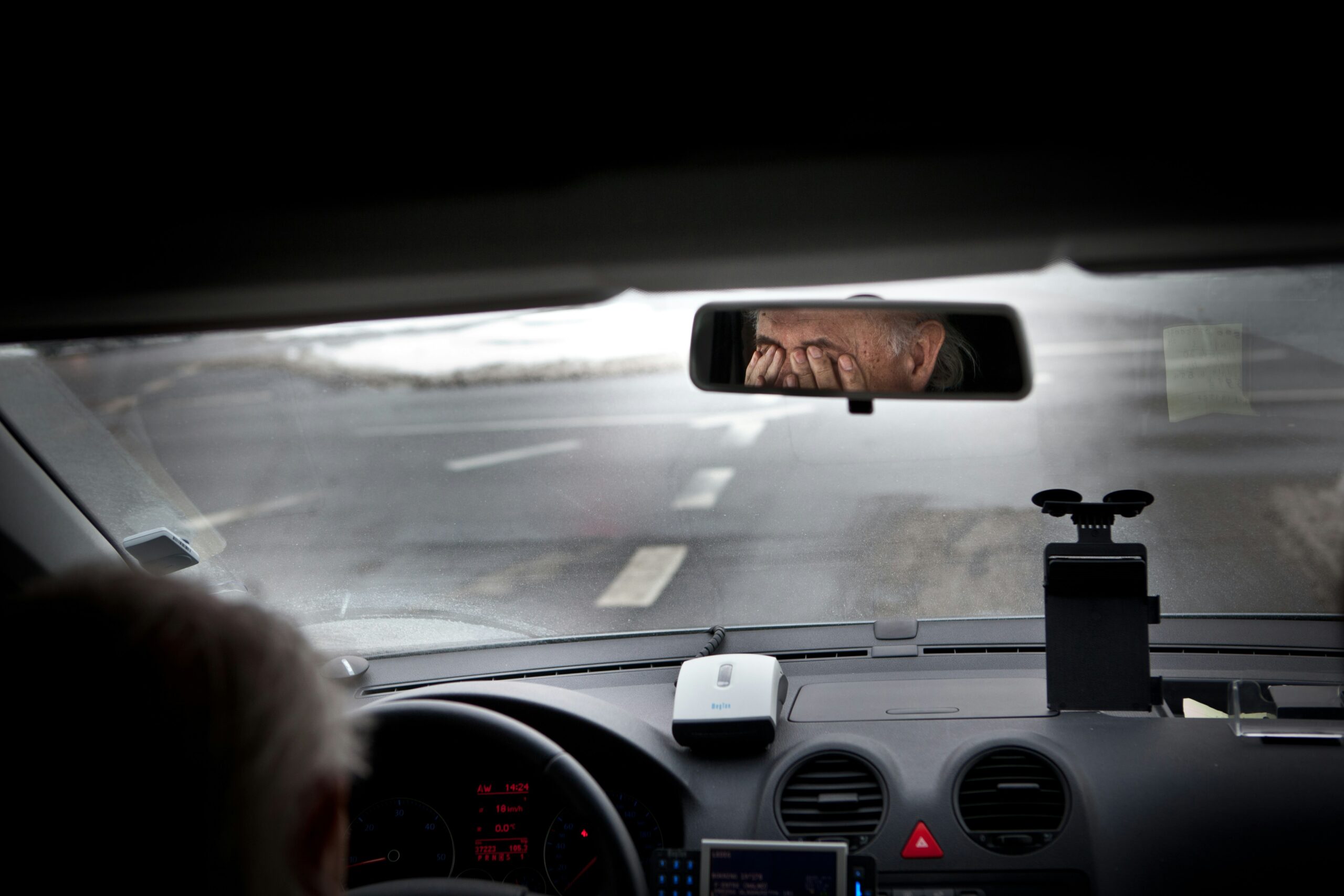
What is a Driver Fatigue and Distraction Monitoring System?
A driver fatigue and distraction monitoring system is an advanced, AI-enhanced tool designed to continuously observe and analyze driver behavior inside the cabin. Unlike passive safety measures, these systems leverage computer vision and machine learning to identify early indicators of impairment, providing immediate feedback to prevent accidents. Integrated into vehicle dashboards or standalone units, they represent the next evolution in fleet safety, particularly for high-risk operations in the Middle East’s demanding environments.
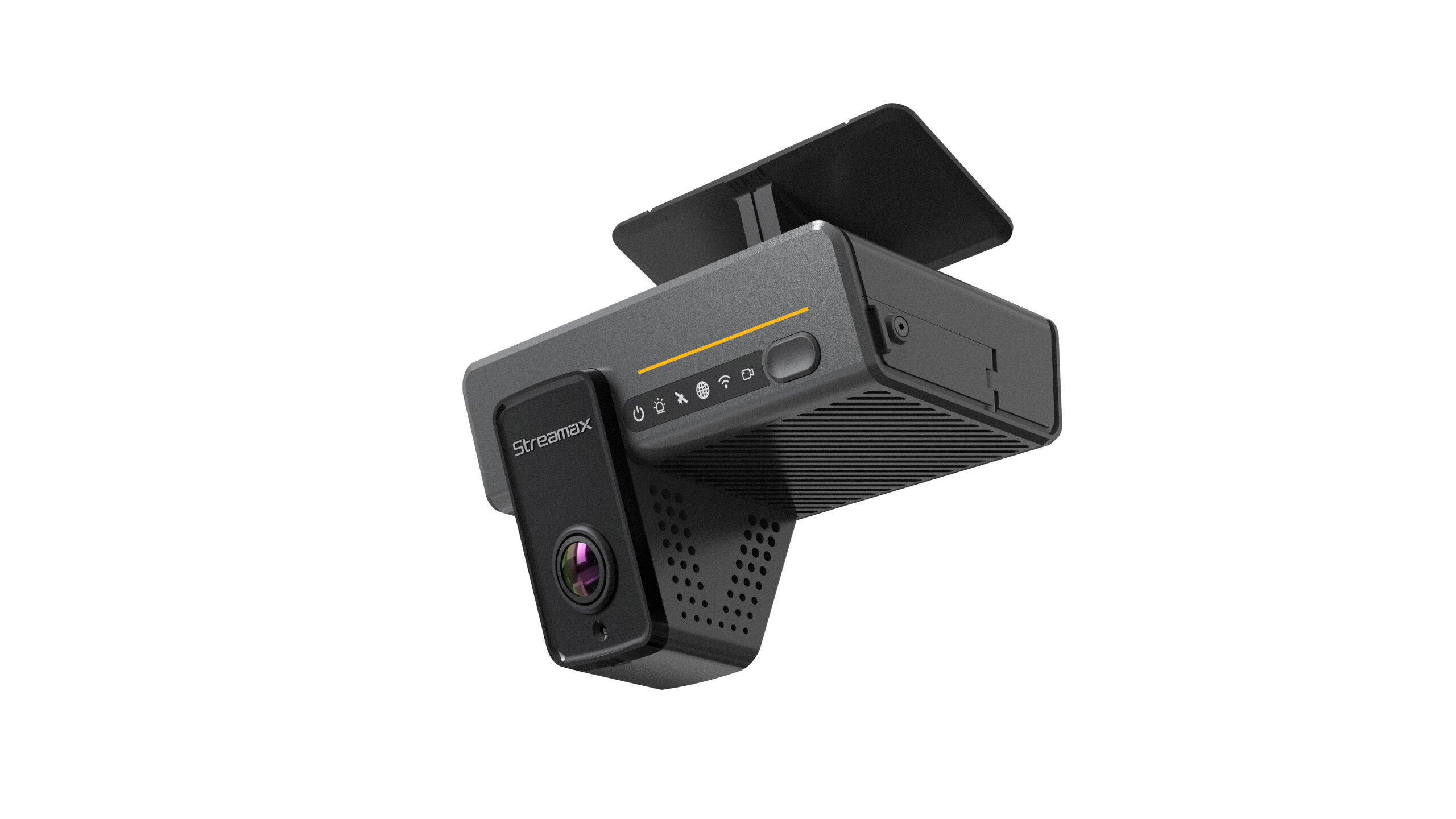
How It Works
At its core, a driver fatigue and distraction monitoring system employs forward-facing and inward-facing cameras paired with AI algorithms to scrutinize driver actions in real time. The technology scans for telltale signs of fatigue, such as micro-sleeps – brief, involuntary eye closures lasting seconds – or excessive yawning, which signals oxygen deprivation from drowsiness. Eye closure duration is measured against baselines; prolonged blinks or drooping eyelids trigger alerts. Head tilts indicating nodding off are detected via facial landmark tracking, while distraction cues like gaze aversion toward a phone or sudden hand movements away from the wheel are flagged instantly.
This in-cabin monitoring operates seamlessly during drives, processing video feeds at high speeds without distracting the driver. AI models, trained on vast datasets of driver behaviors, achieve over 95% accuracy in classification, adapting to individual variations like glasses or facial hair. By fusing data from multiple inputs, the system builds a comprehensive fatigue profile, enabling predictive interventions before impairment escalates.
Fatigue Cameras and Sensors
Fatigue cameras form the backbone of these systems, utilizing infrared (IR) technology to penetrate low-light conditions common in night driving or shaded UAE routes. IR illumination ensures clear visibility of the driver’s eyes without glare from headlights, tracking pupil dilation and blink rates with pinpoint precision. These cameras, compact and vehicle-mounted, capture high-resolution footage discreetly, respecting privacy while delivering actionable insights.
Distraction is captured through phone interaction algorithms and seatbelt usage verifiers that ensure compliance. Together, these elements create a multi-layered vigilance net, identifying not just fatigue but intertwined distractions like texting during monotonous hauls. For fleets, this means comprehensive oversight tailored to real-world scenarios.
Real-Time Alerts and Escalation
When anomalies are detected, the driver fatigue and distraction monitoring system springs into action with tiered real-time alerts. Initial warnings come as subtle audible beeps or voice prompts, escalating to seat vibration and flashing extra screen lights if ignored.
For escalated risks, the system notifies fleet supervisors via integrated telematics, sending Whatsapp messages, emails, app pushes, or dashboard feeds to a central control room. This remote oversight is crucial during solo long-haul trips, allowing interventions like route rerouting to rest stops. In the UAE, such features are becoming vital in some industries, where the safety is priority and should include fatigue detection to minimize downtime from incidents. By bridging the driver-supervisor gap, these alerts transform potential tragedies into timely corrections.
Benefits of Implementing Driver Fatigue Monitoring Systems
Adopting driver fatigue monitoring systems yields transformative advantages for fleets, from immediate risk reduction to long-term operational efficiencies. These AI-driven solutions not only enhance safety but also optimize resource allocation, making them indispensable for modern transport enterprises.
Accident Prevention
The paramount benefit of driver fatigue monitoring lies in its power to avert accidents through early detection. By identifying fatigue onset – often 10-15 minutes before a driver self-recognizes it – these systems enable preventive action, slashing collision risks by up to 40% in long-haul transport fleets, per industry benchmarks. Lives are saved as micro-sleeps, which cause lane drifts or rear-endings, are interrupted before impact. In oil & gas convoys, where a single crash could spark environmental disasters, fatigue cameras provide that critical buffer, turning statistics into stories of prevention.
Real-world deployments show fleets experiencing 25-30% fewer fatigue-related incidents post-implementation, underscoring the tech’s efficacy in high-mileage scenarios.
Better Driver Accountability
Beyond prevention, driver fatigue monitoring fosters accountability by generating objective behavioral data for targeted coaching. Alerts are logged with timestamps and severity levels, allowing managers to review patterns – like frequent distractions during night shifts – and pair them with personalized training sessions. This shifts from punitive measures to supportive interventions, boosting driver morale and retention.
Fair KPIs emerge naturally: performance metrics based on alert frequencies rather than subjective logs promote transparency. Drivers gain visibility into their habits via mobile apps, encouraging self-improvement. In logistics firms, this has led to 20% improvements in overall safety scores, cultivating a fleet-wide culture of responsibility.
Regulatory Compliance
Avoiding fines and penalties is crucial for drivers in the UAE. Using mobile phones while driving not only endangers road safety but also puts drivers at risk of incurring a hefty Dh800 fine, black points on their license, and, in some cases, vehicle impoundment. These consequences can lead to increased operational costs and reduced efficiency for the fleets.
Mobile phone usage remains one of the leading causes of road accidents. That’s why the Driver Fatigue and Distraction Systems are designed to address these risks, ensuring safer roads and improved productivity for the fleet operations.
Compliance extends to insurance, where documented safety tech reduces premiums by 15-25% through lowered liability. By automating reporting with audit-ready logs, these systems streamline audits, freeing compliance teams for strategic tasks. Ultimately, they fortify your fleet’s reputation as a safety leader.
How to Choose the Right Fatigue Monitoring System
Selecting the optimal driver fatigue and distraction monitoring system demands a strategic approach, balancing cutting-edge features with operational fit. Start with a checklist to ensure the solution meets your fleet’s unique challenges, especially in the UAE’s extreme climates.
Real-time alerting is non-negotiable – opt for customizable thresholds that trigger immediate in-cab notifications and escalate to cloud-based fleet dashboards. Night vision support via IR cameras is essential for 24/7 operations, while robust in-cabin and cloud data sync enables seamless analytics and historical reviews without latency.
Consider integration ease with existing telematics, scalability for fleet growth, and durability against dust, heat, and vibrations – hallmarks of UAE roads. Prioritize systems with data sovereignty compliance, privacy controls and over-the-air updates for longevity.
Fleet Management Systen International (FMSi) stands out with compliance-ready solutions engineered for these conditions. Backed by local UAE support and full compatibility with the UAE standards, FMSi’s systems minimize deployment hurdles. Ready to upgrade? Contact FMSi for tailored recommendations.
Conclusion: Prioritize Safety, Save Lives, Stay Compliant
Fatigue-related incidents claim countless lives and livelihoods annually, but they don’t have to. Driver fatigue monitoring isn’t a luxury – it’s a lifeline, empowering fleets to detect dangers invisibly and act decisively. By harnessing AI fatigue cameras and distraction alerts, operators in logistics, oil & gas, and beyond can slash accident rates, enforce accountability, and meet UAE mandates head-on.
Make safety your competitive edge. FMSi’s driver fatigue monitoring systems, trusted by leading UAE fleets, deliver real-time protection that prevents tragedies and preserves compliance. Protect your drivers and your brand. Book a free demo today.
Related Blogs

What Is Geofencing? How UAE Fleets Use Virtual Boundaries for Security, Compliance and Productivity
Geofencing is a virtual boundary drawn around a real-world location that automatically triggers an alert or action when a vehicle enters or exits it.

CAN Bus Data in Fleet Telematics: What Your Vehicles Are Telling You
Every modern commercial vehicle generates a constant stream of internal diagnostic data, whether or not anyone is reading it. Engine sensors, brake systems, and dozens of other electronic components are exchanging information every second the vehicle runs.
Vehicle Tracking System vs. Fleet Management System: What UAE Fleets Need
Search “vehicle tracking system” in the UAE and the results range from a AED 50/month dongle that pins a dot on a map to enterprise platforms quoting five figures a year.

Reckless Driving in the UAE: Fines, Black Points & How Fleets Prevent It
One conviction for reckless driving in the UAE comes with an AED 2,000 fine, 23 black points, and a 60-day vehicle impoundment. That’s not a typo, and it’s not the ceiling for speeding or a missed seatbelt – it’s a single violation, and it puts a license one point away from suspension.