Enhanced Fleet Security
By accurately identifying drivers before each trip, organizations can mitigate the risk of unauthorized vehicle usage, improve accountability, and enhance overall fleet security and efficiency.

Driver identification is a critical component of fleet management, ensuring that the right individuals are operating vehicles and enabling organizations to track driver performance effectively. Our driver identification solutions offer a range of features to enhance driver safety, improve operational efficiency, and maintain regulatory compliance.
With our driver identification solutions, organizations can gain full control over their fleets, track driver performance, promote safer driving behaviors, and ensure that vehicles are operated by authorized personnel. By harnessing the power of driver identification technology, businesses can optimize fleet management processes and enhance overall operational efficiency.
Overall, driver identification solutions offer a range of benefits that contribute to improved fleet management, increased safety, regulatory compliance, and operational efficiency for organizations of all sizes



Generate comprehensive reports on individual driver behaviour, including metrics such as speeding, harsh braking, and acceleration, to identify areas for improvement and promote safer driving habits.

Evaluate driver performance and rank drivers based on safety metrics, enabling recognition of top performers and targeted training for those requiring improvement.

Control access to vehicles by assigning specific authorization levels to drivers, ensuring that only authorized personnel can operate company vehicles.

Monitor driver’s license, residency, and insurance expiration dates, enabling proactive renewal management to maintain compliance with regulatory requirements.
Track each driver’s driving hours and mileage to prevent unauthorized vehicle use and ensure compliance with legal driving limits.
Implement measures to reduce vehicle idling, such as idle-time monitoring and alerts, to conserve fuel and minimize environmental impact.

By accurately identifying drivers before each trip, organizations can mitigate the risk of unauthorized vehicle usage, improve accountability, and enhance overall fleet security and efficiency.
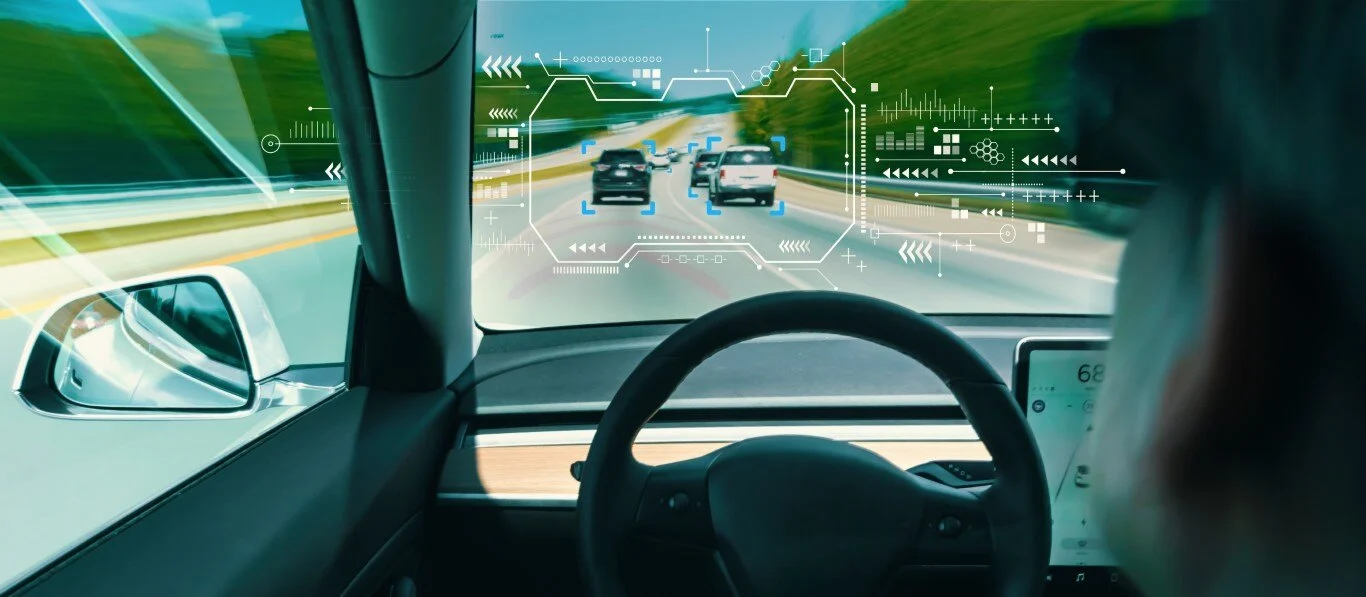
Driver identification promotes accountability among drivers, encouraging responsible behavior, improved performance, and adherence to company policies, safety guidelines, and industry standards.
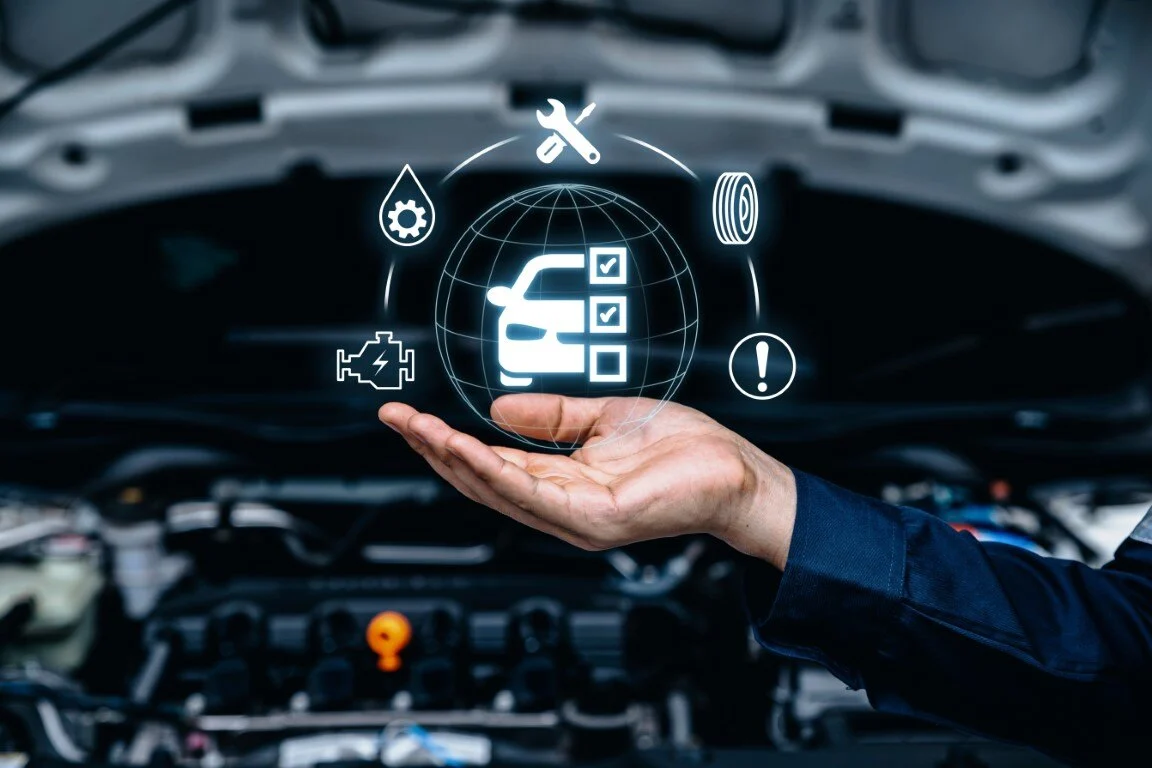
Driver ID solutions enable organizations to monitor individual driver performance metrics, such as driving behavior and adherence to driving regulations, facilitating targeted coaching and training efforts.
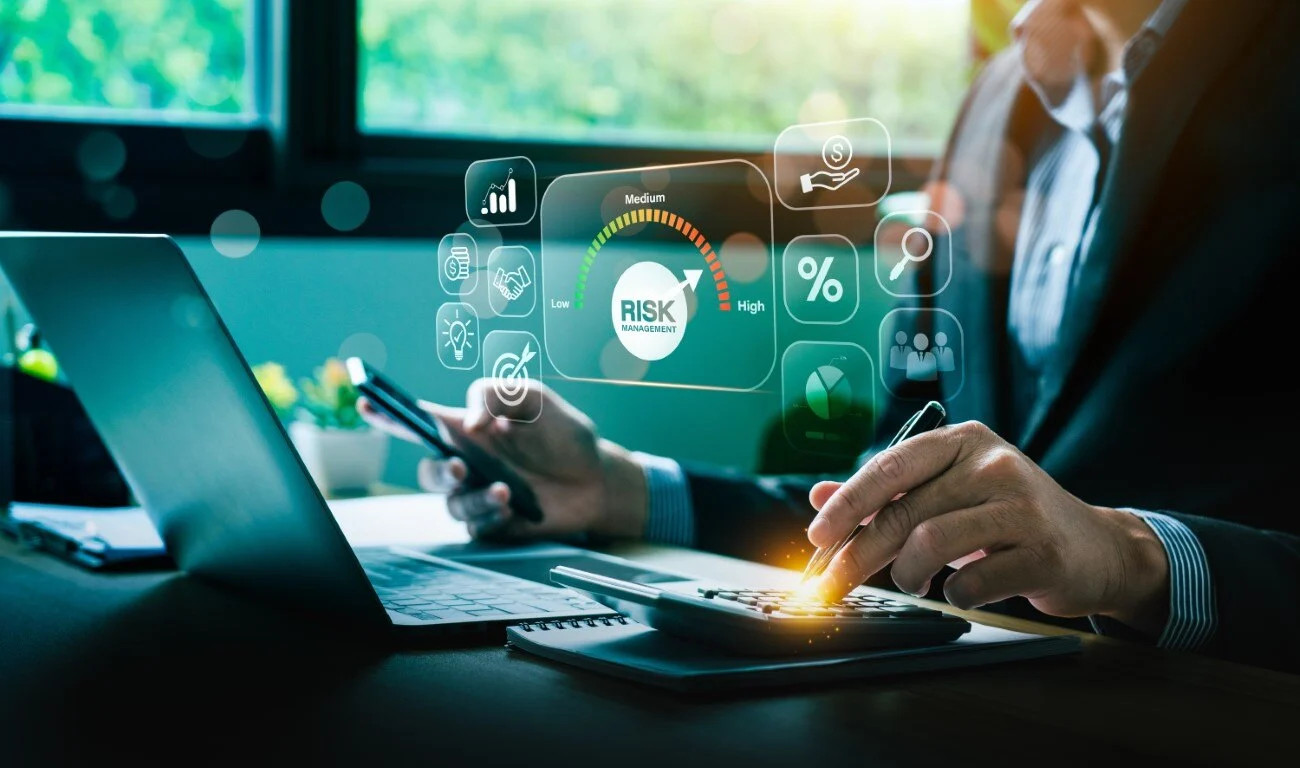
Maintaining accurate records of driver identification and licensing information helps ensure compliance with regulatory requirements, reducing the risk of penalties, legal issues, and operational disruptions.

With insights into driver availability and utilization, fleet managers can optimize resource allocation, assigning vehicles and tasks more efficiently to meet operational demands and improve overall productivity and performance.

By restricting vehicle access to authorized drivers only, organizations can prevent unauthorized usage, reducing the likelihood of theft, misuse, or unauthorized trips.
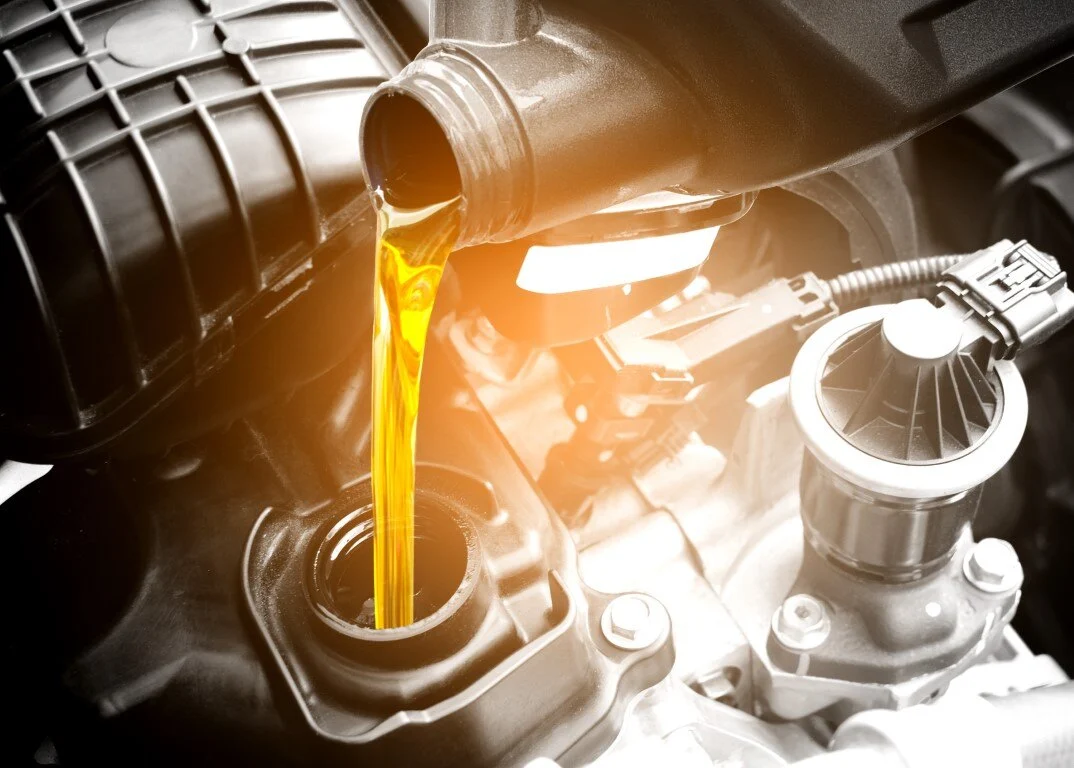
Monitoring driver behaviour and vehicle usage allows organizations to identify opportunities for fuel savings and maintenance optimization, reducing operational costs and prolonging vehicle lifespan.

Automated driver identification systems streamline administrative processes related to driver management, reducing paperwork and manual data entry tasks for fleet managers.

By promoting safe driving practices and recognizing drivers for their performance, driver ID solutions contribute to fostering a safety-conscious culture within the organization, leading to fewer accidents and injuries.

Ensuring that vehicles are operated by authorized and qualified drivers enhances customer confidence and satisfaction, contributing to positive customer experiences and loyalty.
Vehicle-level tracking becomes meaningless the moment two or more drivers share the same asset – all behaviour data gets attributed to a vehicle rather than the individual responsible for it. FMSi’s driver identification solution decouples performance data from the vehicle and links it directly to the authenticated driver. Speeding events, harsh braking, acceleration, idle time, and mileage are all recorded against the specific individual who was authenticated for that trip – so performance reports, driver rankings, and coaching conversations are based on accurate, person-level data regardless of how many drivers share a vehicle.
FMSi’s driver authorization feature restricts vehicle access at the hardware level – only drivers with a valid, system-approved credential (Dallas Key, RFID card, or BLE beacon) can operate the vehicle. Authorization levels can be configured per driver, meaning specific individuals can be restricted to certain vehicles or certain operating zones. Any attempt to start a vehicle without valid authentication is logged as an exception and triggers an immediate alert – giving operations managers real-time visibility of unauthorized access attempts rather than discovering them after the fact.
Expired licences, residency permits, and insurance documents are a significant compliance liability – particularly in the UAE and GCC where regulatory enforcement is strict. FMSi’s licence and insurance management module monitors expiration dates across the entire driver roster and triggers proactive renewal alerts before deadlines are reached. This shifts licence management from a manual, calendar-dependent process to an automated compliance control – ensuring no driver operates a vehicle on an expired credential and no fleet manager is caught off guard during an audit or roadside inspection.
FMSi’s driver ranking system provides exactly the starting point large teams need. Rather than reviewing every driver’s data individually, the system ranks all drivers against each other on safety and efficiency metrics – surfacing the outliers at both ends immediately. The bottom performers on the ranking are typically where the disproportionate fuel, maintenance, and incident costs are concentrated. From there, driving style reports give granular detail on the specific behaviours – excessive idling, harsh acceleration, speeding – so coaching conversations are targeted and evidence-based rather than general.
Driver identification is a fully integrated enhancement within the FMSiTrack platform, not a standalone module. Authentication data connects directly to journey management (ensuring only authorized drivers can initiate approved journeys), fuel control (linking fuel consumption to individual drivers rather than vehicles), IVMS behavior monitoring (attaching harsh event data to specific individuals), and performance reporting. This integration is what transforms driver ID from a simple access control tool into a comprehensive accountability and performance management system – where a single driver credential unlocks a complete operational picture of that individual’s activity across your entire fleet.
Explore the latest updates from FMSi when you view our blog articles.