December 2, 2025
Across UAE and GCC logistics, oil and gas, construction and passenger transport, fleet maintenance costs typically represent 25–30% of total cost of ownership – exceeding AED 8–12 million annually for a 200 heavy vehicle fleet before unplanned downtime is counted.
- Downtime economics: one hour of downtime for a 40-ton truck costs AED 450–1,200 in lost revenue and penalties, unplanned breakdowns account for up to 60% of all maintenance events, and emergency repair bills run 3–5 times higher than scheduled work.
- Fixed service intervals are the flaw – a truck in Dubai summer heat or on Ras Al Khaimah quarry roads wears dramatically differently from one on light city routes, so continuous sensor data on engine temperature, oil pressure, brake pad thickness, battery health and actual engine hours replaces averages.
- Seven-capability comparison: predictive alerts flagging abnormal patterns 100–500 hours before failure, real-time DTC capture with severity scoring, driver behaviour scoring reducing wear 20–35%, route optimisation cutting mileage 8–15%, dynamic scheduling by actual usage, live vehicle health scores, and tyre and brake wear tracking extending tyre life 15–25%.
- Measured results: unscheduled repairs down 30–45%, total maintenance spend down 18–25% in year one, 10–18% extension in vehicle life before major overhaul, and 8–15% fuel and tyre savings.
- ROI maths: one roadside breakdown for a heavy truck costs AED 4,500–12,000, so a single prevented breakdown covers 3–8 years of subscription. A 150-vehicle fleet spending AED 9 million annually typically saves AED 1.6–2.2 million in year one, delivering ROI in 4–7 months.
- Industry outcomes: oil and gas transport saw 18% lower maintenance spend and 41% fewer roadside breakdowns; construction cut unscheduled repairs 22%; passenger transport improved on-time performance 27%; logistics achieved 15% fuel savings and 21% longer tyre life. A Dubai logistics company with 320 refrigerated trailers cut spoilage claims by AED 680,000 annually through early compressor alerts; an Abu Dhabi construction group cut hydraulic hose failures 34%.
The Hidden Cost of Fleet Maintenance in Enterprise Operations
In large-scale logistics, oil & gas, construction, and passenger transport operations across the UAE and GCC, fleet maintenance costs typically represent 25 – 30% of total cost of ownership (TCO). For a fleet of 200 heavy vehicles, this can easily exceed AED 8–12 million annually, even before factoring in unplanned downtime.
A single hour of downtime for a 40-ton truck can cost AED 450 – 1,200 in lost revenue and penalties. Industry studies show that unplanned breakdowns account for up to 60% of all maintenance events, driving emergency repair bills 3 – 5 times higher than scheduled work. Excessive idling, harsh braking, overloading, and missed service intervals quietly inflate parts replacement, tire wear, and fuel consumption.
The real challenge is not simply fixing vehicles faster – it’s gaining control over the variables that cause failures in the first place. Fleet cost optimization is therefore less about cutting corners and more about shifting from reactive firefighting to intelligent, data-driven prevention. Modern telematics and predictive maintenance systems deliver exactly that control, turning unpredictable expenses into measurable, manageable line items.
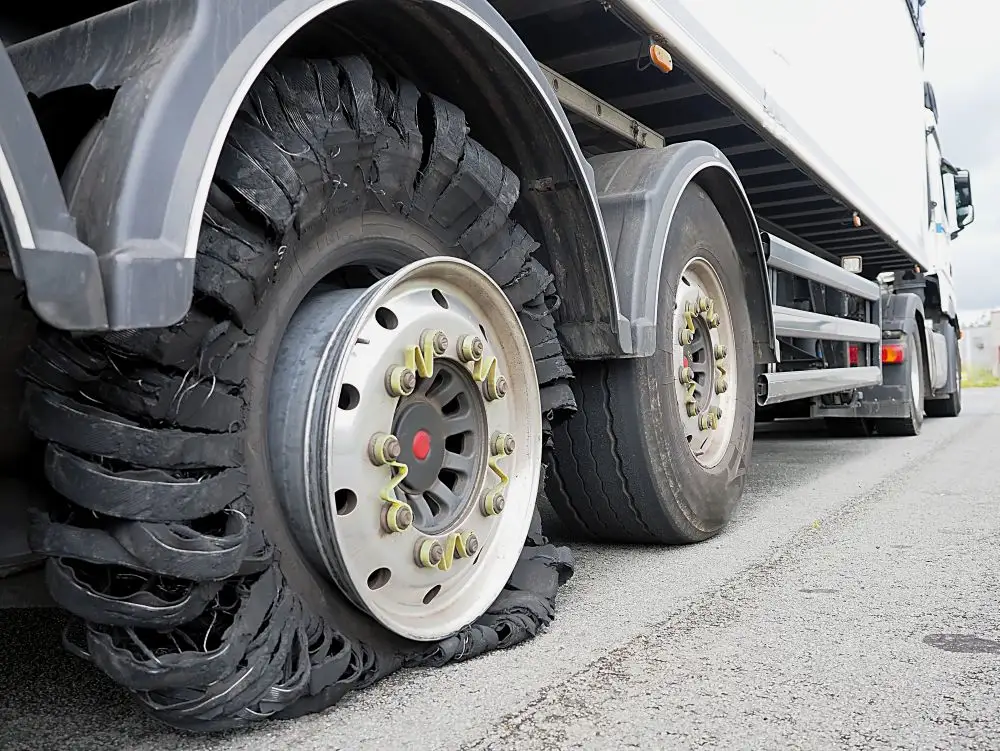
How Fleet Tracking Systems Help Reduce Maintenance Costs
Traditional fleet management relies on fixed service intervals (e.g., every 10,000 km or 400 engine hours) regardless of actual vehicle usage. In reality, a truck operating in Dubai’s summer heat or on Ras Al Khaimah’s rough quarry roads experiences dramatically different wear patterns than one on light city routes.
Intelligent fleet tracking systems eliminate this guesswork by collecting continuous data from vehicle sensors – engine temperature, oil pressure, brake pad thickness, battery health, and actual engine hours. This creates a true picture of each asset’s condition rather than relying on averages.
Real-time GPS and telematics also capture driver behavior and route patterns that directly affect maintenance spend:
– Excessive idling increases engine wear and shortens oil life.
– Harsh acceleration and braking accelerate brake, transmission, and suspension component failure.
– Sub-optimal routes add unnecessary mileage and stress.
When these insights are combined with automated diagnostic trouble code (DTC) capture, fleet managers receive early warnings days or weeks before a minor issue becomes a roadside breakdown. Alerts can trigger proactive workshop bookings during low-utilization periods, eliminating emergency call-outs and overnight parts shipping fees.
The result? Maintenance shifts from reactive to responsive. Enterprises using advanced telematics and predictive analytics routinely reduce unscheduled repairs by 30–45%, extend component life, and lower overall fleet maintenance costs by 15–25% within the first year. Far from being an additional expense, a modern telematics maintenance system rapidly pays for itself through measurable savings.
Core Telematics Features That Cut Maintenance Costs
The most effective cost reductions come from specific telematics capabilities that directly target the root causes of high maintenance spend. Below is a practical comparison:
| Feature | Without Telematics | With FMSi’s Predictive Telematics Platform |
| Predictive Maintenance Alerts | Breakdowns cause unplanned downtime & emergency repairs | IoT Platform flags abnormal patterns (temperature, liquid levels) 100–500 hours before failure |
| Engine Diagnostics & Fault Codes | Manual OBD scans during scheduled service only | Real-time DTC capture & severity scoring sent instantly to managers |
| Driver Behavior Monitoring | No visibility into harsh events or idling | Scores every trip; triggers coaching; reduces wear-and-tear by 20–35% |
| Route Optimization & Mileage Control | Drivers choose routes; excess km common | JMS suggests shortest, least stressful paths; reduces mileage 8–15% |
| Maintenance Scheduling Dashboard | Fixed calendar or mileage intervals | Dynamic scheduling based on actual engine hours, load, terrain & climate |
| Vehicle Health Analytics | Paper logbooks or spreadsheet guesswork | Live health score per vehicle; prioritizes workshop queue intelligently |
| Tire & Brake Wear Tracking | Visual inspection only | Continuous pressure, temperature & wear estimation; extends tire life 15–25% |
These features work together as a complete telematics maintenance system. For example, when the platform detects repeated harsh braking combined with rising brake temperature, it automatically creates a service ticket, notifies the driver for coaching, and adjusts the vehicle’s health score – long before the driver even notices reduced braking performance.
Oil & Gas fleets using FMSi’s Premium IVMS Tracking have reduced brake component replacement by 28% in 18 months simply by combining behavior scoring with predictive alerts. Similarly, logistics operators see tire budgets drop 18–22% once over-inflation/under-inflation and curb damage events are minimized through live monitoring.
The maintenance scheduling dashboard is particularly powerful in mixed fleets (trucks, buses, light vehicles). Instead of bringing 50 vehicles in because they all hit 40,000 km in the same month, workshops receive a steady, optimized flow based on actual usage – eliminating peak overloads and idle workshop time.
The ROI Behind Fleet Tracking Prices
Fleet managers often ask, “What are realistic fleet tracking prices in the UAE?” Monthly costs varies per vehicle depending on feature set (basic GPS vs full AI predictive telematics + dashcams).
At first glance this feels like an added line item. In practice, the mathematics are heavily in favor of adoption:
– Average cost of one roadside breakdown for a heavy truck: AED 4,500–12,000
– One prevented breakdown per year already covers 3–8 years of subscription.
Real-world data from FMSi clients shows:
– 18–25% reduction in total maintenance spend in year one
– 30–45% drop in unplanned downtime
– 10–18% extension in average vehicle life before major overhaul
– 8–15% fuel and tire savings from route & behavior optimization
A 150-vehicle fleet spending AED 9 million annually on maintenance and facing 12–15% unplanned downtime will typically save AED 1.6–2.2 million in the first 12 months—delivering ROI within 4–7 months.
The key is choosing a provider that offers transparent, predictable fleet tracking prices with no hidden activation or data fees. FMSi structures enterprise contracts with fixed per-vehicle pricing and unlimited users, eliminating surprise bills even as the fleet grows.
When evaluated correctly, the question shifts from “How much does fleet tracking cost?” to “How much is current inefficiency costing the business?” GPS fleet solutions in the UAE that include predictive analytics consistently demonstrate 5–10× ROI within 24 months.

Industry Applications: Real Savings in Action
| Industry | Primary Challenge | Measured Impact After Deploying FMSi Telematics |
| Oil & Gas Transport | Extreme temperatures, heavy loads, remote sites | 18% lower maintenance spend, 41% fewer roadside breakdowns |
| Construction Fleets | High idle time, harsh terrain, dust ingress | 22% reduction in unscheduled repairs via usage-based scheduling |
| Passenger Transport | Regulatory audits + tight schedules | 27% improvement in on-time performance, lower insurance premiums |
| Logistics & Distribution | High mileage, multi-drop complexity | 15% fuel savings + 21% longer tire life through route optimization |
A Dubai-based logistics company operating 320 refrigerated trailers reduced spoilage claims by AED 680,000 annually simply by receiving early refrigeration compressor alerts. An Abu Dhabi construction group cut hydraulic hose failures by 34% after the system flagged repeated over-loading events in real time.
These are not theoretical numbers – every case study is drawn from live FMSi client data across the UAE and wider GCC.
Strategic Recommendations for Long-Term Maintenance Efficiency
Achieve sustained fleet cost optimization with these actions:
- Consolidate all asset data into a single telematics platform (eliminate silos).
- Integrate telematics with your existing ERP for automated work-order creation.
- Implement AI-driven driver fatigue and behavior analysis for proactive scheduling.
- Define and track maintenance KPIs (cost per km, MTBF, % unplanned repairs).
- Conduct quarterly “cost-leakage” audits using vehicle health analytics reports.
- Ensure chosen telematics provider supports UAE compliance natively.
- Standardize service procedures across all workshops and regions.
Conclusion: Control the Cost Before It Controls the Fleet
Fleet maintenance costs only remain unpredictable when you operate without visibility. Modern intelligent tracking and predictive telematics transform maintenance from a reactive cost center into a strategic advantage – delivering 15–30% savings, longer asset life, and full regulatory compliance.
Take control today with FMSi’s enterprise-grade fleet tracking platform engineered specifically for UAE and GCC operating conditions.
Connect with our specialists for a no-obligation savings assessment and see exactly how much your fleet is ready to save.
Related Blogs

CAN Bus Data in Fleet Telematics: What Your Vehicles Are Telling You
Every modern commercial vehicle generates a constant stream of internal diagnostic data, whether or not anyone is reading it. Engine sensors, brake systems, and dozens of other electronic components are exchanging information every second the vehicle runs.
Vehicle Tracking System vs. Fleet Management System: What UAE Fleets Need
Search “vehicle tracking system” in the UAE and the results range from a AED 50/month dongle that pins a dot on a map to enterprise platforms quoting five figures a year.

Reckless Driving in the UAE: Fines, Black Points & How Fleets Prevent It
One conviction for reckless driving in the UAE comes with an AED 2,000 fine, 23 black points, and a 60-day vehicle impoundment. That’s not a typo, and it’s not the ceiling for speeding or a missed seatbelt – it’s a single violation, and it puts a license one point away from suspension.

Fuel Management System for UAE Fleets: Cut Fuel Costs by Up to 30%
Fuel is the least predictable line item in a UAE fleet budget. Between March and June 2026, petrol and diesel prices rose more than 60% due to disrupted regional supply.