June 19, 2026
In 2026 UAE fleet operators face a compliance environment that global platforms like Geotab or Samsara were never built for. A fleet management system here isn’t tracking software – it’s the operational and compliance backbone, with FMSi clients documenting 3:1 to 10:1 ROI.
- A GPS tracker is a data point; a fleet management system is decision-making infrastructure – unifying GPS hardware, telematics, driver analytics, maintenance scheduling, compliance reporting and asset tracking in one platform.
- Three UAE compliance frameworks global platforms miss: Asateel (Abu Dhabi ITC) requiring certified OBU integration with dual-platform data transmission; ADNOC IVMS mandating certified hardware, fatigue protocols and geofence speed limiting; SIRA SecurePath in Dubai.
- SecurePath’s scope is broader than most operators realise – mandatory for rental cars, personal vehicles used commercially, desert safari vehicles, cash-in-transit, chemical and petroleum transport, flammable liquids, explosives and fireworks, radioactive materials, environmental waste vehicles, mobile workshops and piling contractors.
- Seven core modules: real-time GPS/AVL, driver behaviour and IVMS tracking, AI video telematics, fuel management, maintenance scheduling, and compliance reporting with direct Asateel/ITC portal integration.
- Documented returns: 10–20% fuel reduction through route optimisation, up to 25% maintenance cost reduction via predictive scheduling, insurance premium reductions from driver behaviour data, and 3:1 to 10:1 overall ROI.
- Five questions to ask a vendor: is it certified for Asateel, ADNOC and SIRA (ask for documentation, not assurances); does it have in-country infrastructure and Arabic/English support; can it scale from 10 to 1,000+ vehicles without migration; is AI video native or bolt-on; what does implementation actually involve.
- Implementation runs 1–6 weeks depending on fleet size and the complexity of Asateel or ADNOC registration. FMSi has served 2,000+ enterprise clients across the UAE and GCC since 2003.
What Is a Fleet Management System? The Complete Guide for UAE Businesses in 2026
In 2026, UAE fleet operators face a compliance environment that global platforms like Geotab or Samsara were simply never built for. Abu Dhabi’s Asateel mandates require certified OBU integration and real-time data sync with the ITC. ADNOC IVMS requirements govern every contractor vehicle operating inside oil and gas facilities. SIRA approvals add another layer for fleets in Dubai. A fleet management system in the UAE context isn’t just tracking software – it’s the operational and compliance backbone of your business. The stakes are real: regulatory exposure, operational waste, and the risk of losing contracts with entities that require verified compliance. FMSi clients across the GCC have consistently documented 3:1 to 10:1 ROI returns. The question is whether your current system is built for this market — or built for someone else’s.

What a Fleet Management System Actually Does (Beyond GPS Tracking)
A fleet management system (FMS) is a unified SaaS platform that integrates GPS hardware, telematics data, driver behaviour analytics, maintenance scheduling, compliance reporting, and asset tracking — giving fleet operators a single operational view across their entire vehicle and asset base.
Where standalone GPS tracking tells you where a vehicle is, an FMS tells you how it’s being driven, when it needs servicing, whether it’s consuming fuel efficiently, and whether it’s meeting the reporting obligations of your regulatory authority. The difference is not one of scale – it’s one of function. A GPS tracker is a data point. A fleet management system is a decision-making infrastructure.
In the UAE, this system also carries a compliance layer that doesn’t exist in most other markets – one that global platforms frequently underestimate or miss entirely. Section 3 explains exactly what that means for your operation.
The UAE Compliance Layer: What Global FMS Platforms Miss
No two regulatory frameworks in the world are quite like the UAE’s. Abu Dhabi, Dubai, and the federal oil and gas sector each operate distinct compliance mandates and your FMS vendor must be certified or approved under each framework relevant to your fleet. This is the one area where global platforms writing generic content cannot compete: they don’t operate inside these mandates, and in many cases, they aren’t qualified to.
Asateel (Abu Dhabi ITC): What Your FMS Must Support
Asateel is Abu Dhabi’s Integrated Transport Centre framework governing commercial vehicle tracking. Compliance isn’t just a matter of installing a device — your FMS platform itself must support certified On-Board Unit (OBU) integration, if you want to hit two goals with one shot. The OBU unit should support sending data to two platforms simultaneously to assure both Asateel compliance and operational efficiency and fleet safety with commercial Fleet Management Platform. For the full operator compliance checklist, see our Asateel compliance guide.
ADNOC IVMS: Fleet Management in Oil & Gas Environments
ADNOC requires an In-Vehicle Monitoring System (IVMS) on all contractor vehicles operating within its facilities – a mandate with specific hardware certification requirements, not just a recommendation. Your FMS must support certified IVMS hardware, fatigue detection protocols, and geofence-based speed limiting inside restricted zones. These aren’t bolt-on features; they must be natively integrated into the platform’s architecture. AI Video Telematics (AFDD) capabilities are increasingly central to ADNOC compliance, particularly for fatigue monitoring on long-haul and remote site operations.
SIRA SecurePath (Dubai): Mandatory GPS Tracking Across Multiple Vehicle Categories
SIRA – Dubai’s Security Industry Regulatory Agency – operates SecurePath as a mandatory real-time GPS tracking and fleet management platform covering a significantly broader range of vehicle categories than most operators realise. According to SIRA’s own published requirements, SecurePath is mandatory for: rental cars, personal vehicles used commercially, desert safari vehicles, cash-in-transit vehicles, and a wide range of dangerous and specialist goods transport – including chemical materials, diesel, petroleum, flammable liquids, gas trading, explosive and fireworks transport, radioactive materials, hazardous and non-hazardous cargo, environmental waste vehicles, mobile workshops, and piling contractors. If your Dubai fleet falls into any of these categories and your FMS vendor is not SIRA-approved to operate on the SecurePath platform, you are non-compliant — regardless of what other tracking hardware you have installed.
FMSi is certified across all three frameworks. See our compliance solutions →
The 7 Core Modules of a Modern Fleet Management System
An FMS is not a feature list – it’s a layered architecture where each module feeds data into the others. Here’s how a modern system is structured, and why each module matters specifically in the UAE context.
| Module | What It Does | UAE Relevance |
|---|---|---|
| 1. Real-Time GPS & AVL | Live location, route playback, geofencing | Asateel ping frequency mandates for ITC reporting |
| 2. Driver Behaviour & IVMS Tracking | Scoring, event alerts, coaching workflows | ADNOC fatigue compliance, SIRA operational reporting |
| 3. AI Video Telematics | In-cab cameras, incident detection, clip retrieval | ADNOC AFDD compliance requirements |
| 4. Fuel Management | Consumption tracking, anomaly detection, theft alerts | Fuel is the highest single cost driver in UAE fleets |
| 5. Maintenance Scheduling | Predictive alerts, service history, warranty tracking | Reduces maintenance spend by up to 25–30% |
| 7. Compliance Reporting | Automated audit documentation, portal submissions | Direct Asateel/ITC portal integration |
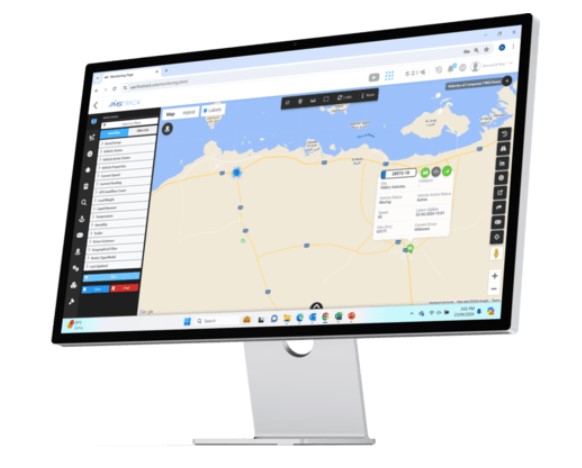
What Does a Fleet Management System Actually Cost UAE Businesses? (And What Does It Return?)
Fleet management systems are infrastructure investments, not software subscriptions in the traditional sense. Framing the cost question honestly matters: the right question is not whether an FMS is expensive, but what operational waste and regulatory non-compliance are already costing your business without one.
FMSi clients across the UAE and GCC consistently report 3:1 to 10:1 ROI. The range is wide because the drivers vary significantly by fleet type, size, and compliance exposure:
| Cost Driver | Typical Annual Impact with FMS |
|---|---|
| Fuel savings | 10–20% reduction through route optimisation and consumption monitoring |
| Maintenance costs | Up to 25% reduction via predictive scheduling and early fault detection |
| Compliance penalties avoided | Variable – significant for ADNOC and Asateel-regulated operators |
| Insurance premium reduction | Driver behaviour data supports lower risk profiles with insurers |
| ROI range (FMSi client data) | 3:1 to 10:1 |
A fleet operating 100 vehicles in Abu Dhabi without Asateel-certified tracking isn’t just missing out on efficiency gains — it’s accumulating regulatory risk on every operational day. For ADNOC contractors, the cost of losing a facility access approval dwarfs any technology investment. Fuel savings alone, across a 50-vehicle logistics operation, can return the cost of the system within the first year.
The ROI question isn’t “can we afford a fleet management system?” It’s “what is non-compliance and operational waste already costing us?”
Want to calculate ROI for your specific fleet? Talk to an FMSi expert →
Fleet Management Systems Across UAE Industries: Who Needs What
FMSi serves fleet operators across every major UAE sector. Each vertical has distinct requirements – here’s a high-level map of what matters most in each, with links to dedicated industry solutions.
Oil & Gas operations under ADNOC’s contractor framework require IVMS-certified hardware, fatigue monitoring, second-by-second accident reconstruction and geofenced speed control for ADNOC-defined zones. All of these with an instant, network-agnostic, in-cab audible driver notifications about violations they commit Explore ADNOC-compliant fleet management →
Logistics & Distribution fleets need last-mile tracking visibility, dynamic route optimisation to meet delivery SLAs, and proof-of-delivery documentation. In a market as competitive as UAE logistics, operational efficiency is a direct commercial differentiator. Explore logistics fleet management →
Construction sites present a distinct challenge: equipment doesn’t just move on roads. Tracking assets across construction sites, managing true idle time costs on heavy equipment, and geofencing active zones requires purpose-built machineries tracking capability alongside vehicle monitoring. Explore construction fleet tracking →
Government & Utilities fleets operate under the strictest public accountability requirements, including Asateel compliance, journey management policies, and transparent utilisation reporting. The reputational and regulatory exposure for non-compliant government fleets is significant. Explore government fleet compliance →
Car Rental operators face a different problem set: maximising vehicle utilisation, detecting damage via AI cameras before disputes arise, and enabling remote immobilisation for overdue or stolen vehicles. Explore car rental fleet management →
How to Choose a Fleet Management System in the UAE: 5 Questions to Ask
The UAE market has no shortage of fleet management vendors. Most will tell you they cover everything you need. These five questions will separate the compliant from the compliant-sounding.
- Is the platform certified for Asateel, ADNOC, and SIRA?
Global platforms – including well-known names – are frequently not certified under UAE-specific regulatory frameworks. Asateel certification requires formal ITC approval of both the hardware and the implementation services. ADNOC IVMS requires specific hardware and protocol compliance. Ask for documentation, not assurances.
- Does it have in-country infrastructure and support?
UAE fleet operations run 24 hours a day, across multiple emirates and sometimes across GCC borders. You need Arabic and English support from people who understand the local regulatory context – not a support ticket routed to a team in a different time zone with no familiarity with Asateel or ADNOC requirements.
- Can it scale from 10 to 1,000+ vehicles on a single platform?
Many operators start with a small deployment and scale as the business grows. A system that requires a costly platform migration at 200 vehicles creates disruption and data continuity risk. Ask specifically about multi-site, multi-entity deployments and how the platform handles enterprise-scale fleets.
- Does it integrate AI video telematics natively?
Bolt-on camera systems create data silos – video evidence that isn’t linked to telematics data is far less useful for driver coaching, insurance claims, or ADNOC fatigue compliance. Native AI video integration means the system correlates in-cab footage with speed events, harsh braking, geofence alerts, and driver scores automatically.
- What does the implementation process look like?
Hardware installation, Asateel OBU registration, IVMS configuration, and staff training are all part of a real deployment. Ask your vendor to walk you through their implementation methodology, timeline, and who is responsible for each step. A system that’s technically capable but poorly implemented doesn’t deliver the ROI you’re expecting.
FMSi has answered all five of these questions for 2,000+ enterprise clients across the UAE and GCC over more than 20 years.
FAQ: Fleet Management Systems in the UAE
What is the difference between a fleet management system and GPS tracking?
GPS tracking provides vehicle location data. A fleet management system includes GPS but layers driver behaviour monitoring, fuel analytics, maintenance scheduling, compliance reporting, and asset tracking on top of it – all within a single integrated platform. The distinction matters because standalone GPS cannot meet UAE regulatory reporting requirements or provide the operational insight that drives meaningful ROI.
Is a fleet management system mandatory in the UAE?
Certain categories of commercial vehicles must comply with UAE regulatory frameworks, including Asateel (Abu Dhabi ITC) and ADNOC IVMS requirements. While not universally mandatory for every vehicle category, fleet management systems are required for compliance in oil and gas, school transport, logistics, and government fleet sectors. Operators without compliant systems risk contract loss, facility access withdrawal, and regulatory penalties.
How long does it take to implement a fleet management system?
For most UAE fleets, implementation takes 1–6 weeks depending on fleet size, hardware installation requirements, and the complexity of Asateel or ADNOC registration processes. FMSi manages end-to-end implementation — from device installation and ITC registration through to staff training and platform onboarding.
What ROI can UAE businesses expect from a fleet management system?
FMSi clients across the UAE and GCC typically report 3:1 to 10:1 ROI, driven primarily by fuel savings, reduced accident and maintenance costs, and the avoidance of compliance penalties. The upper end of that range is most common in regulated sectors oil and gas, government, and logistics where compliance cost avoidance is a significant additional factor.
Does FMSi’s fleet management system work across all UAE emirates?
Yes. FMSi supports fleet operations across Dubai, Abu Dhabi, Sharjah, and all UAE emirates, as well as across the broader GCC including Oman, Saudi Arabia, and Iraq. Compliance frameworks for each jurisdiction – including Asateel for Abu Dhabi and SIRA for Dubai are built into the processes, not added as afterthoughts.
Fleet management in the UAE is evolving rapidly. AI-powered predictive compliance, autonomous safety systems, and tighter cross-emirate regulatory integration are already shaping how forward-looking operators are building their infrastructure in 2026. The platforms that will define the next decade in this market are the ones being built by people who have been inside it for years not ones adapting a global product to a local market after the fact.
FMSi has been building fleet management systems for the UAE and GCC since 2003. That’s not a marketing claim – it’s 20+ years of certified integrations, regulatory relationships, and documented client outcomes in the exact market you operate in.
Ready to see what a UAE-compliant fleet management system looks like in practice? Book a free consultation with FMSi →
Related Blogs

CAN Bus Data in Fleet Telematics: What Your Vehicles Are Telling You
Every modern commercial vehicle generates a constant stream of internal diagnostic data, whether or not anyone is reading it. Engine sensors, brake systems, and dozens of other electronic components are exchanging information every second the vehicle runs.

Vehicle Tracking System vs. Fleet Management System: What UAE Fleets Need
Search “vehicle tracking system” in the UAE and the results range from a AED 50/month dongle that pins a dot on a map to enterprise platforms quoting five figures a year.

Reckless Driving in the UAE: Fines, Black Points & How Fleets Prevent It
One conviction for reckless driving in the UAE comes with an AED 2,000 fine, 23 black points, and a 60-day vehicle impoundment. That’s not a typo, and it’s not the ceiling for speeding or a missed seatbelt – it’s a single violation, and it puts a license one point away from suspension.

Fuel Management System for UAE Fleets: Cut Fuel Costs by Up to 30%
Fuel is the least predictable line item in a UAE fleet budget. Between March and June 2026, petrol and diesel prices rose more than 60% due to disrupted regional supply.