May 25, 2026
Vehicle visibility is now a baseline expectation for UAE businesses. This guide explains what a car tracker is, how it works, and where its limits lie – and why fleet operators increasingly need more than basic tracking to stay competitive and compliant.
- A car tracker works in three steps: signal reception from GPS satellites, data transmission via mobile or satellite network, and platform display on a web or mobile map – some also capture speed, stop duration and route history.
- This is fundamentally descriptive – it tells you what happened. For fleet operations the more important question is why it happened and what to do about it.
- Feature gap: both car trackers and fleet systems cover vehicle location and trip history, but only fleet tracking systems provide driver behaviour insights, fuel and idle analysis, route optimisation, UAE compliance support and scalable reporting.
- Four signals a fleet has outgrown basic tracking: managing multiple vehicles or drivers, needing fuel and cost visibility, operating in regulated industries (transport, logistics, oil and gas, commercial and public-sector), or experiencing delays and rising operating costs.
- UAE compliance reality: not all tracking devices meet the technical standards required by authorities, regulators increasingly expect driver behaviour oversight rather than location records alone, and audit-ready timestamped reporting is required – operators who discover this gap after a compliance review face replacing systems already installed.
- Four questions before committing: is this for location or operational control, can the system scale as the fleet grows, does it support safety and compliance needs, and will it reduce fuel and operating costs.
Vehicle visibility has become a baseline expectation for businesses operating across the UAE. Whether you manage a handful of delivery vans or a large commercial fleet, understanding how tracking technology works and where its limits lie – is the first step toward making the right investment. This guide explains what a car tracker is, how car tracking works, and why fleet operators in the UAE increasingly need more than basic tracking to stay competitive and compliant.
What Is a Car Tracker?
A car tracker is a device used to monitor the location and movement of a vehicle. It typically uses GPS technology to pinpoint where a vehicle is, where it has been, and how it moves over time.
In the UAE, car trackers are commonly used for:
- Vehicle location monitoring – knowing where a vehicle is at any given moment
- Theft prevention – enabling recovery if a vehicle is stolen or taken without authorisation
- Basic trip history – reviewing past routes and stop points
- Personal or small business vehicle oversight – keeping tabs on a single vehicle or a small number of assets
For individual vehicle owners or very small operations, a car tracker can serve its purpose well. The picture changes, however, when that same technology is applied to commercial fleets with multiple drivers, regulated operations, and real cost pressures.
How Does a Car Tracker Work?
At its core, a GPS car tracker operates through three steps:
- Signal reception – the device receives location data from GPS satellites orbiting the earth
- Data transmission – that location data is sent via a mobile or satellite network to a central platform
- Platform display – the vehicle’s position is shown on a map, accessible through a web or mobile interface
Some car tracking systems extend this basic process to also capture speed, stop duration, and route history. This is often what people mean when they refer to “car track” functionality – a digital record of where a vehicle went and how it moved.
This level of visibility is useful, but it remains fundamentally descriptive. It tells you what happened. For fleet operations, the more important question is why it happened – and what to do about it.
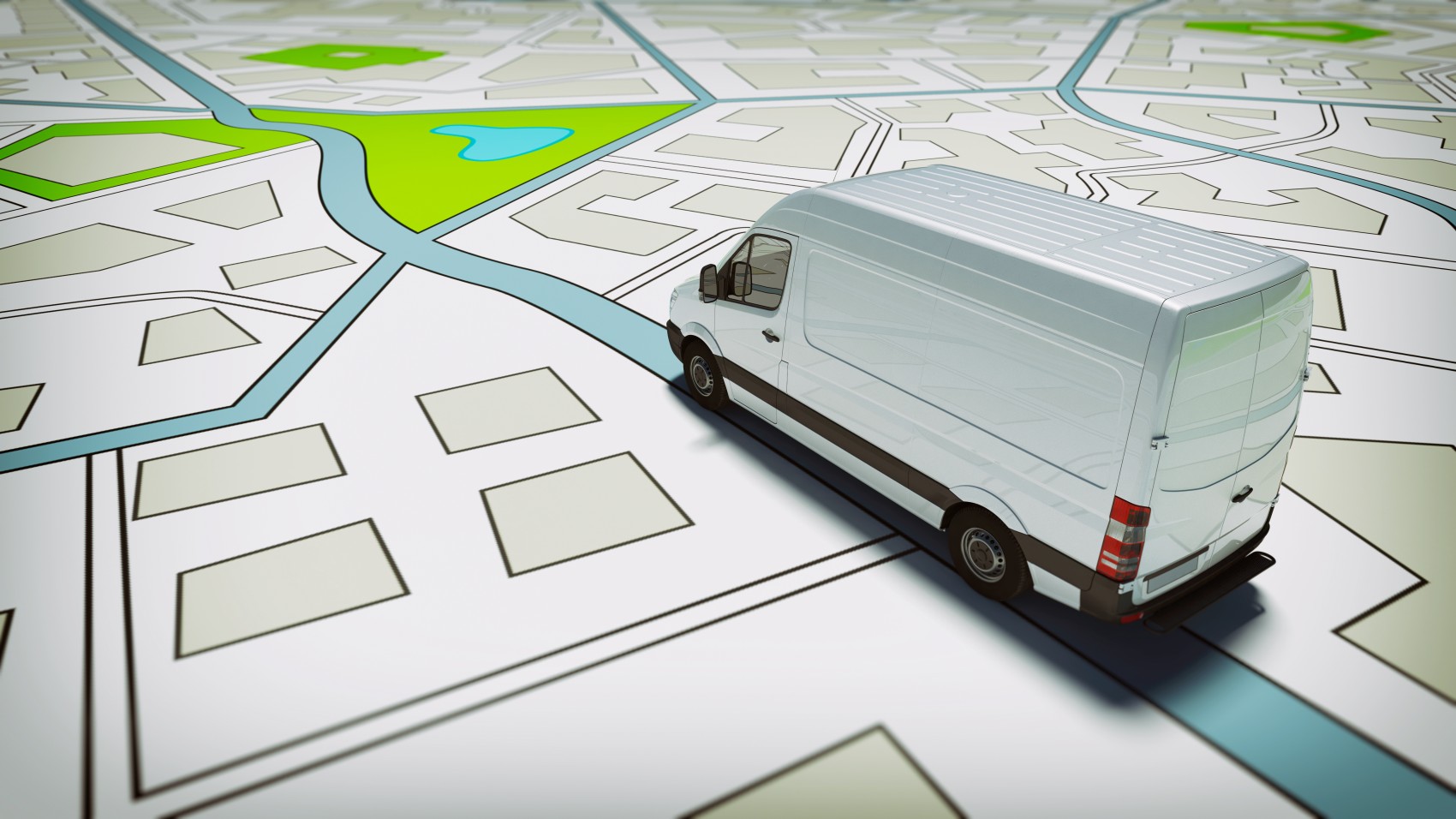
Common Use Cases for Car Tracking in the UAE
Car tracking is widely used across the UAE in both private and commercial contexts. Typical applications include:
- Monitoring company vehicles used by field staff
- Tracking delivery vans across urban and inter-emirate routes
- Supporting stolen vehicle recovery
- Providing basic oversight of driver movement for small businesses
For a small fleet or a single-vehicle operation, a car tracker may offer everything needed. The moment fleet size grows, however, operational complexity increases alongside it – and the limitations of basic car tracking become increasingly difficult to ignore.
Car Tracker vs Fleet Tracking System: What’s the Difference?
The table below illustrates how the two approaches compare across the features that matter most to UAE fleet operators:
| Feature | Car Tracker | Fleet Tracking System |
|---|---|---|
| Vehicle location | ✔ | ✔ |
| Trip history | ✔ | ✔ |
| Driver behaviour insights | ✖ | ✔ |
| Fuel and idle analysis | ✖ | ✔ |
| Route optimisation | ✖ | ✔ |
| Compliance support (UAE) | ✖ | ✔ |
| Scalable reporting | ✖ | ✔ |
For UAE fleets operating under compliance and cost pressures, a fleet tracking system provides control and intelligence – not just tracking. The difference is not simply one of added features; it is a difference in what the technology is fundamentally built to do.
When Should Fleets Move Beyond a Car Tracker?
There are clear indicators that a fleet has outgrown basic car tracking. Consider upgrading your vehicle tracking system when your operation:
- Manages multiple vehicles or drivers – coordination and accountability become difficult without deeper visibility
- Needs fuel and cost visibility – rising fuel bills with no clear data trail signal the need for consumption analytics
- Operates in regulated industries – transport, logistics, oil & gas, commercial and public-sectors fleets face mandatory compliance requirements in the UAE
- Is experiencing delays, inefficiencies, or rising operating costs – symptoms that point to gaps in driver behaviour, route planning, or asset utilisation
At this stage, tracking must support decision-making, not simply confirm that vehicles are moving. The shift is from reactive oversight to proactive fleet management.
How Fleet Tracking Systems Build on Car Tracking Technology
Modern fleet tracking systems do not replace car tracking – they extend and contextualise it. The GPS foundation remains the same. What changes is the intelligence layer built on top.
A fleet-grade vehicle tracking system typically integrates:
- Real-time GPS tracking – live vehicle positions updated continuously across a centralised dashboard
- Driver behaviour monitoring – alerts and scoring for speeding, harsh braking, rapid acceleration, and seatbelt use
- Fuel and idle analytics – measurement of consumption patterns, idle time, and opportunities for cost reduction
- Route planning and journey management – optimised routing that reduces distance, time, and fuel per trip
- Performance dashboards and alerts – configurable reporting that surfaces the metrics your team actually needs
The outcome is a system where movement data is connected to cost, safety, and efficiency outcomes. A manager looking at the dashboard sees not just where vehicles are, but how the fleet is performing and where to focus attention.
UAE Compliance Considerations for Vehicle Tracking
The UAE has specific regulatory requirements that affect commercial fleet operators, particularly those in transport, logistics, and public service sectors. These typically involve:
- Approved tracking systems – not all tracking devices meet the technical standards required by UAE authorities
- Safety and driver monitoring – regulators increasingly expect evidence of driver behaviour oversight, not just location records
- Audit-ready reporting – the ability to produce accurate, timestamped records for inspection or investigation
A basic car tracker, by itself, is unlikely to satisfy these requirements. Fleet operators who discover this gap after a compliance review face the cost of replacing systems already installed. Choosing a compliant, fleet-grade car tracking system from the outset avoids that disruption entirely.
Choosing the Right Tracking Approach for Your Fleet
When evaluating tracking options, UAE fleet operators should work through a short set of questions before committing:
Is this just for location, or for operational control? If the answer is operational control, a basic car tracker will not be sufficient.
Can the system scale as the fleet grows? A system that works for five vehicles may become a liability at twenty. Scalability should be a day-one consideration.
Does it support safety and compliance needs? Understand what your regulatory obligations are before selecting a system – not after.
Will it help reduce fuel and operating costs? The best fleet tracking systems pay for themselves through fuel savings and efficiency gains. Look for measurable ROI, not just technical capability.
Asking these questions early prevents costly system changes later and ensures the technology chosen genuinely supports the operation it is meant to serve.
Car Tracking Is the Starting Point – Fleet Intelligence Is the Goal
A car tracker is often the first step toward vehicle visibility. For private use or very small operations, it may be all that is needed. But for UAE fleets managing multiple drivers, operating costs, safety obligations, and compliance requirements, basic car tracking represents only the beginning.
Fleet-grade GPS tracking systems take the same underlying technology and transform it into something far more powerful: a tool for connecting movement data to business outcomes. Location becomes performance. History becomes insight. Monitoring becomes management.
Understanding the difference helps fleet operators make technology decisions that support growth, compliance, and cost control – rather than ones they will need to revisit as their operations mature.
Ready to move beyond basic car tracking?
Understanding what level of tracking your fleet genuinely needs is the first step. FMS International works with UAE fleet operators to assess their current setup, identify gaps, and implement fleet tracking solutions built for commercial scale.
Get in touch with FMSi to find out what your fleet needs
Related Blogs

What Is Geofencing? How UAE Fleets Use Virtual Boundaries for Security, Compliance and Productivity
Geofencing is a virtual boundary drawn around a real-world location that automatically triggers an alert or action when a vehicle enters or exits it.

CAN Bus Data in Fleet Telematics: What Your Vehicles Are Telling You
Every modern commercial vehicle generates a constant stream of internal diagnostic data, whether or not anyone is reading it. Engine sensors, brake systems, and dozens of other electronic components are exchanging information every second the vehicle runs.
Vehicle Tracking System vs. Fleet Management System: What UAE Fleets Need
Search “vehicle tracking system” in the UAE and the results range from a AED 50/month dongle that pins a dot on a map to enterprise platforms quoting five figures a year.

Reckless Driving in the UAE: Fines, Black Points & How Fleets Prevent It
One conviction for reckless driving in the UAE comes with an AED 2,000 fine, 23 black points, and a 60-day vehicle impoundment. That’s not a typo, and it’s not the ceiling for speeding or a missed seatbelt – it’s a single violation, and it puts a license one point away from suspension.